

By Juliet Umeh
More Nigerians may soon enjoy affordable internet as eleven states have completely waived Right-of-Way, RoW, charges, a move expected to accelerate broadband expansion across the country.
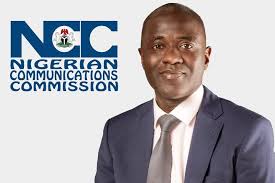
The development, revealed at the Nigeria e-Government Summit 2025, was announced by the Executive Vice Chairman of the Nigerian Communications Commission, NCC, Dr. Aminu Maida, represented by the Lagos Zonal Controller, Mr. Tunji Jimoh.
According to Maida, the policy shift goes beyond cost reduction; it is about everyday impact on citizens’ lives.
He said: “When RoW fees are removed, fibre can be rolled out faster. That means a teacher in Zamfara can access online resources, a farmer in Ekiti can check market prices on his phone, and a young graduate in Kano can register a business without leaving home.”
While eleven states have scrapped the charges entirely, sixteen others have reduced them to about N145 per linear metre, with one state lowering it to just N1 per metre. The NCC says these reforms are unlocking Nigeria’s digital future.
Beyond urban areas, the Commission is using the Universal Service Provision Fund, USPF, to connect schools, health centres, and rural communities, ensuring no one is left behind.
“Digital exclusion is the new poverty,” Maida warned, stressing that universal access is now a journey in progress.
However, with expanded connectivity comes the question of trust. To boost confidence in e-government platforms, the NCC is preparing to launch a nationwide cybersecurity framework aimed at protecting data and securing networks.
“No e-government system can thrive without trust. Citizens must know their identity and transactions are safe,” Maida emphasized.
The Commission also reaffirmed its support for Internet Exchange Points, IXPs, which retain local internet traffic within Nigeria, reducing costs and improving browsing speeds.
With broadband penetration climbing to 48 percent in 2025 from 40 percent five years ago, experts say Nigeria is positioning itself as a model for citizen-centred digital governance.
“Effective e-government must not be a privilege for the few, but a lived reality that improves lives, strengthens our economy, and builds trust between government and citizens,” Maida added.


