Lagos advances digital, community-driven strategies for adolescent mental health
By Juliet Umeh
In a bold move to strengthen youth wellness systems and tackle the growing mental health crisis among young people, the Lagos State Government has spotlighted technology-enabled, community-based interventions as part of its broader adolescent health strategy.
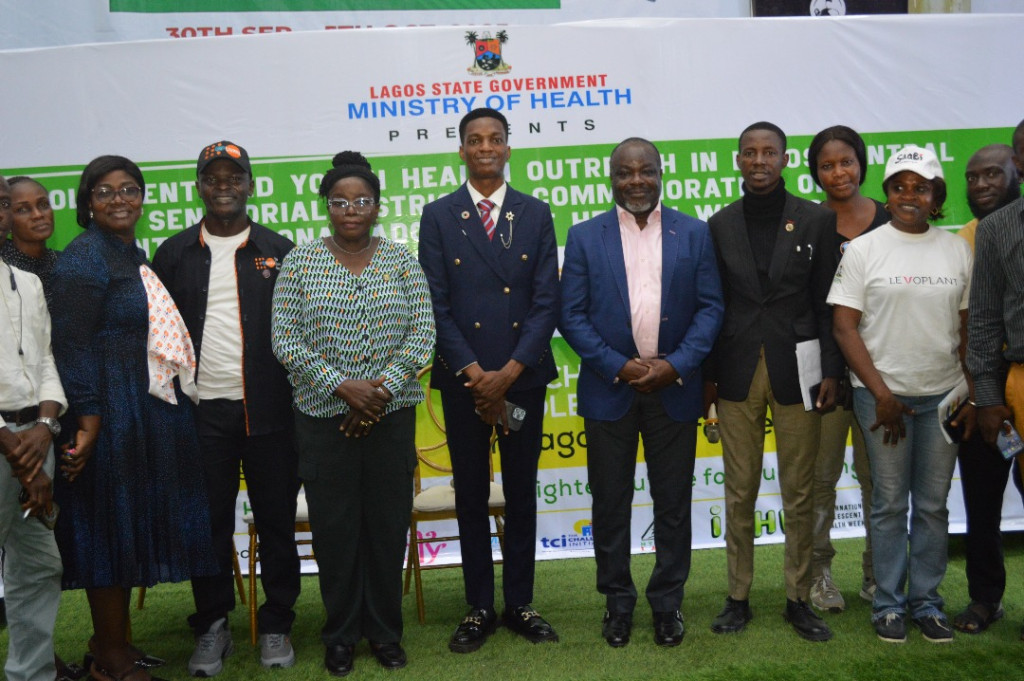
The initiative was showcased at the Adolescents and Youth Health Outreach held at the Omolade Okoya Thomas Indoor Sports Hall, Teslim Balogun Stadium, Surulere, organized to commemorate the 2025 International Adolescent Health Week themed “Thriving Inside and Out: Strengthening Adolescent Physical and Mental Health.”
Speaking during the event, Permanent Secretary, Lagos State Ministry of Health, Dr. Olusegun Ogboye, said that improving adolescent wellbeing requires a holistic and innovative approach — one that combines mental health support, physical fitness, digital engagement, and early education.
“True health goes beyond the absence of disease,” Dr. Ogboye said. “It means nurturing young people who are strong in body, stable in mind, and supported by systems that understand their challenges.”
He emphasized that Lagos is expanding its network of youth-friendly digital health services, mental health helplines, and school-based interventions to make professional help more accessible. These include confidential counselling lines, mobile health education platforms, and partnerships with digital health startups focused on adolescent care.
Dr. Ogboye also raised concern over rising rates of drug abuse, sexual violence, and social media-related stress, stressing that adolescence is a defining stage that demands compassion and structured guidance.
“A physically healthy young person struggling silently with depression is not thriving,” he noted. “We must ensure that every adolescent has a safe space — online and offline — to speak up, seek help, and heal.”
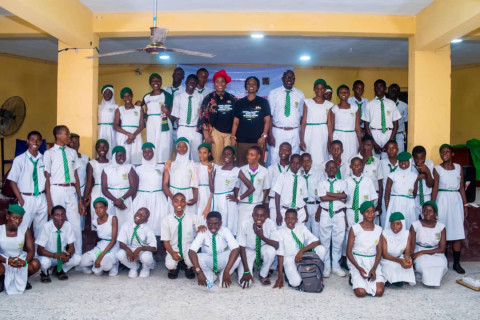
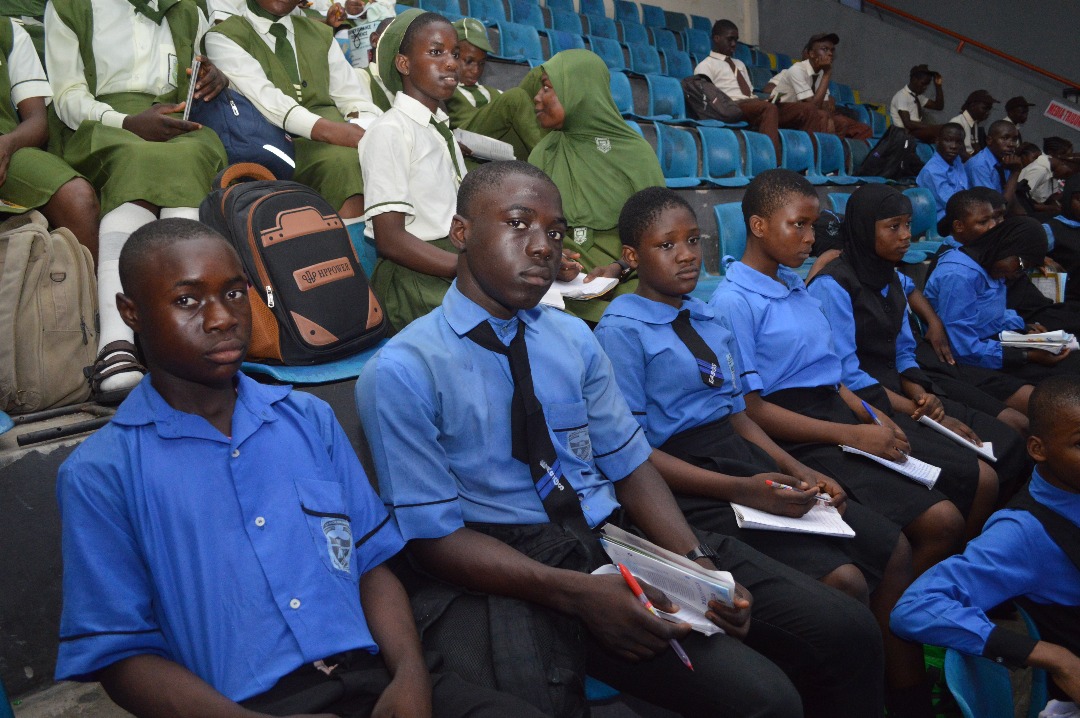
The outreach program, attended by hundreds of students from across Eti-Osa, Apapa, Surulere, and Lagos Island LGAs, featured interactive health sessions, digital learning modules on emotional intelligence, and peer-to-peer workshops promoting self-care, resilience, and open communication.
According to Dr. Folashade Oludara, Director, Family Health and Nutrition at the Ministry, the event represents a practical extension of Lagos’ broader Adolescent Health Policy, which integrates mental health promotion, digital literacy, and preventive care into school programs.
“We are raising a generation that understands that health is physical, emotional, and mental. Through education, mentorship, and technology, we are equipping them to make informed choices and live balanced lives,” she said.
Dr. Omotunde Odonye, State Coordinator of The Challenge Initiative (TCI), commended Lagos for using community-based engagement to address real adolescent needs.
“Empowerment through knowledge is prevention. By leveraging communication tools and data-driven education, Lagos is reducing health risks and improving access to accurate information,” she said.
Similarly, Dr. Esther Somefun, Gender and Reproductive Health Analyst at UNFPA, highlighted the power of innovation and partnerships in promoting youth wellness.
“The future belongs to young people who are healthy in body and mind. Through collaboration, digital health initiatives, and continuous dialogue, we can ensure that every adolescent thrives,” she stated.
In her remarks, Dr. Olasunmbo Ayeni, Head of the Gender, Adolescent and School Health Division, emphasized that the outreach was designed to connect young people to real solutions — not slogans.
“From health apps to mentorship programs, we’re expanding the ecosystem that supports adolescents. Every session, every tool is meant to empower them with the confidence to make sound health decisions,” she explained.
The outreach concluded with testimonials from students who pledged to prioritize their health, challenge stigma, and become peer advocates for wellbeing.
As Lagos continues to integrate digital health tools, school-based wellness programs, and psychosocial support systems, experts say the state is setting a benchmark for technology-driven adolescent healthcare models in West Africa — where prevention, accessibility, and empathy converge to build a resilient next generation.