By Juliet Umeh
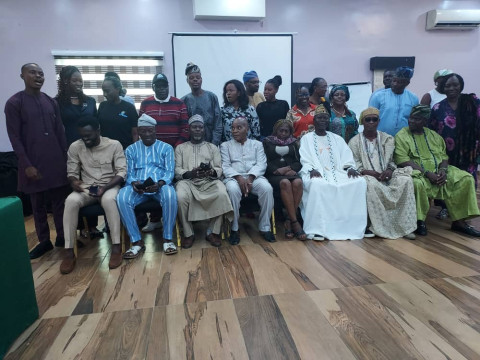
Nigeria’s journey toward a more inclusive economy just took a bold new step. At the third Gender Impact Investment Summit in Lagos, leaders from finance, business, and development came together to launch the Gender Equity and Social Inclusion, GESI, Roadmap 2025–2035—a 10-year plan designed to channel $8 billion into women, youth, and persons with disabilities, PwDs.
Backed by the Impact Investors Foundation (IIF) in partnership with PwC Nigeria, the roadmap goes beyond figures. It is about rewriting the rules of economic participation and ensuring that those who have often been left out of the financial system are given a fair chance to thrive. The plan sets ambitious targets, including mobilising $1.5 billion from local capital pools, rolling out new inclusive financial products, ensuring widespread adoption of gender and inclusion principles among investment firms, and driving policies that make inclusivity part of Nigeria’s growth story.
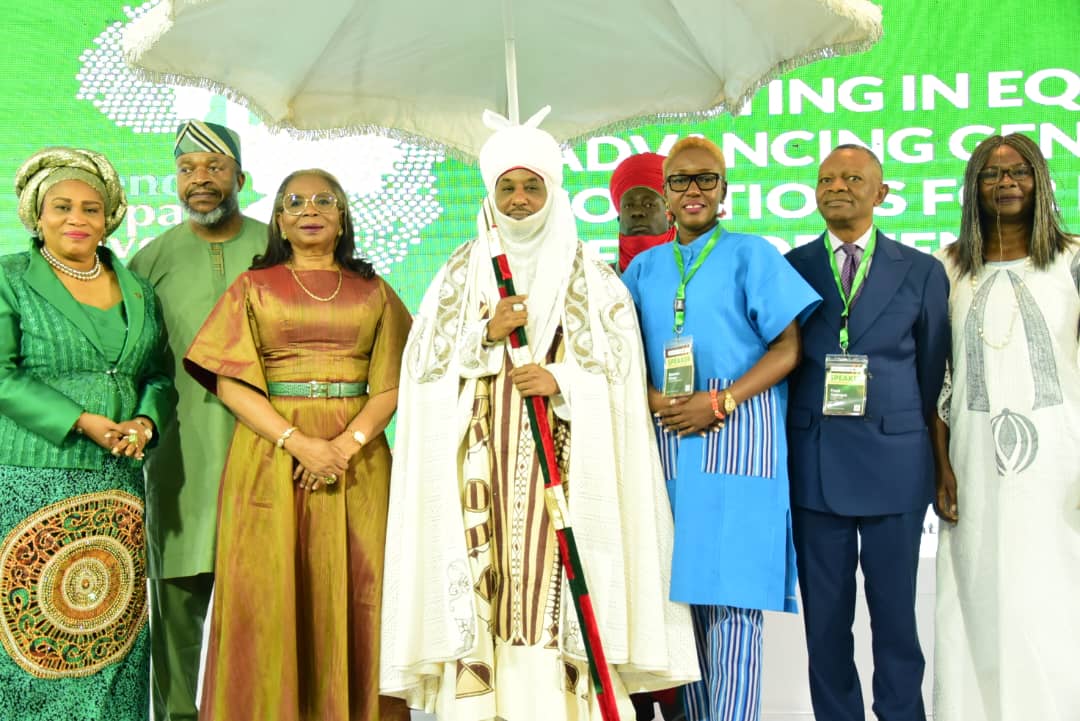
For former Central Bank Governor, Sanusi Lamido Sanusi, inclusion isn’t a “nice-to-have” but a core economic strategy. He explained that inclusion is not a social add-on but an economic imperative, urging stakeholders to turn the roadmap into a living, breathing tool for real change.
Frank Aigbogun, Chair of the IIF, described the launch as historic, stressing that it represents a clear shift from talk to measurable action. Ibukun Awosika, Chair of GSG Nigeria Partner, also underscored the accountability focus of the initiative, noting that the roadmap demands inclusion to be embedded into every investment decision if Nigeria is to unlock its full potential.
The summit was not just about speeches and pledges. It created real opportunities, with a dedicated deal room that connected women-led businesses directly with fund managers, investors, and development finance institutions, turning conversations into tangible investments. In addition, the Nigeria Inclusive Capital Commitment 2035 was unveiled to rally governments, investors, and intermediaries into signing actionable commitments to GESI principles.
Support for the roadmap came from partners including PwC Nigeria, GIZ, the Ministry of Women Affairs, the Ministry of Youth Development, the Ford Foundation, the RISA Fund (UK International Development), GSG, and the UK’s Foreign, Commonwealth and Development Office.
At its heart, the GESI Roadmap is about building an economy where no one is left behind. It is about creating a future where women, young people, and PwDs are active contributors to national development and direct beneficiaries of it. If the energy and commitment displayed at the Lagos summit are anything to go by, the next decade could mark the beginning of a more balanced and inclusive growth story for Nigeria.