By Juliet Umeh
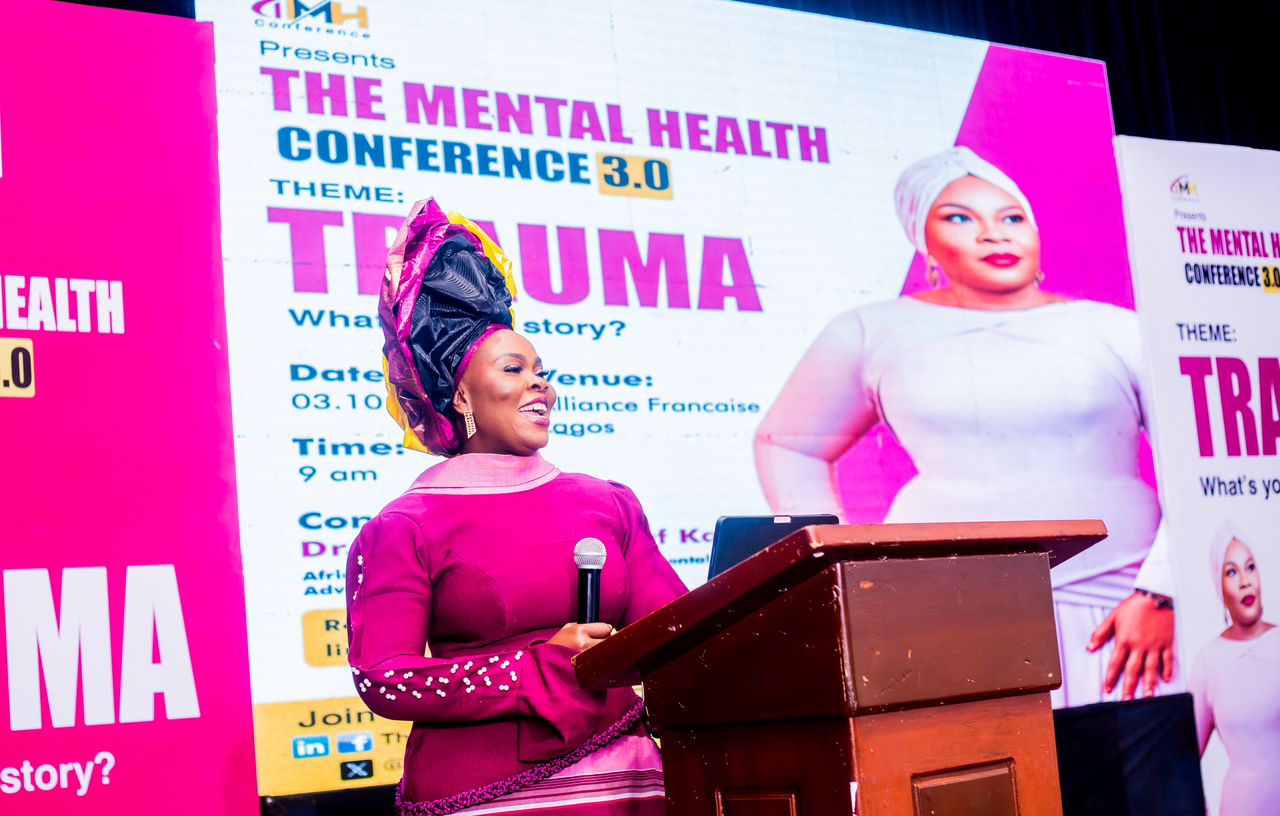
At the intersection of science, storytelling, and societal reform, The Mental Health Conference, TMHC, 3.0 emerged as a bold step toward redefining trauma care and workplace mental health inclusion in Nigeria.
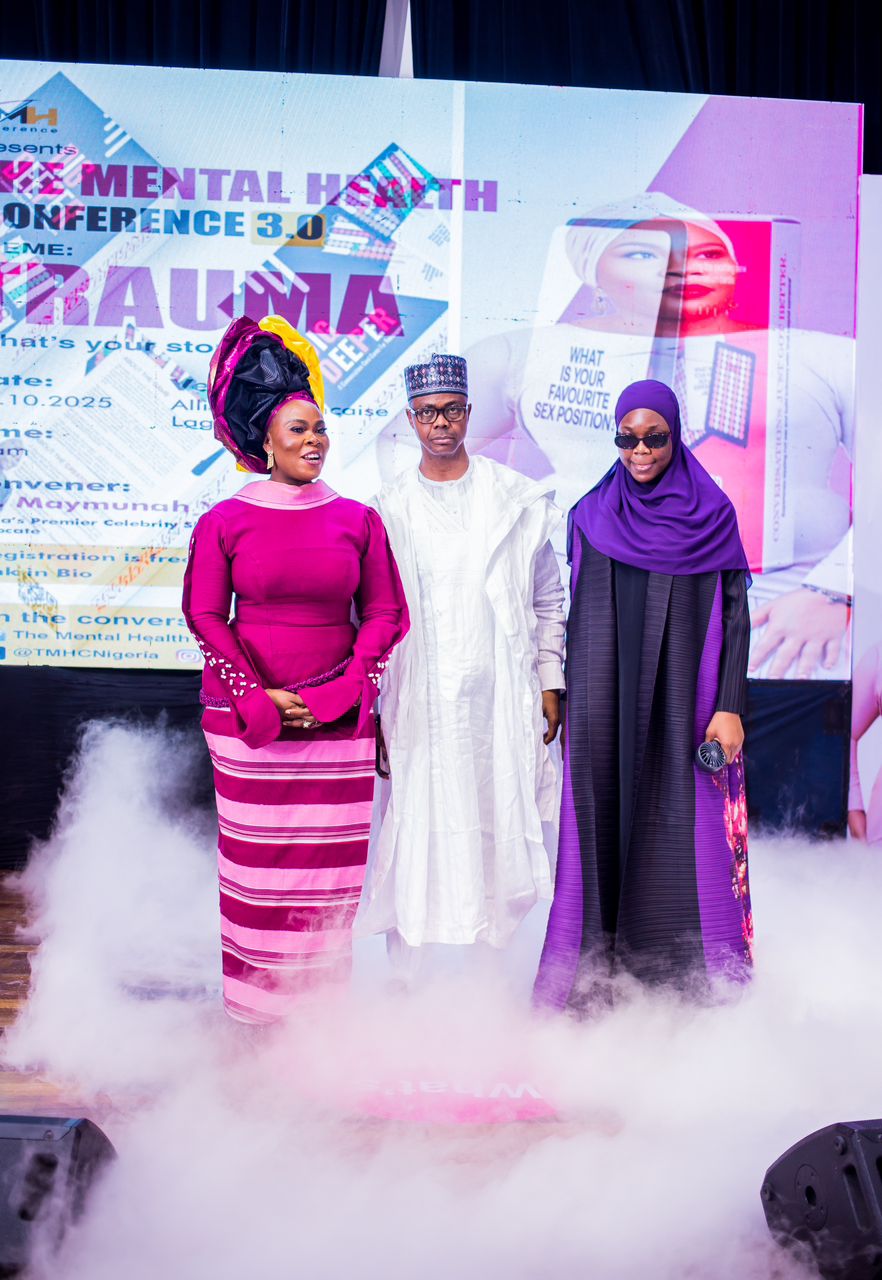
Organised by Dr. Maymunah Yusuf Kadiri, renowned psychiatrist and founder of Pinnacle Medical Services, the event themed “Trauma: What’s Your Story?” drew leaders across healthcare, law, business, media, and the arts to Alliance Française, Ikoyi, for an immersive day of dialogue and innovation.
Unlike a conventional medical conference, TMHC 3.0 reimagined trauma not as a private burden, but as a public health and societal issue requiring integrated care models, policy reform, and technology-enabled intervention.
Dr. Kadiri said: “Healing is not a destination, it’s a revolution. Your story may be stained, but it is not spoiled. Trauma is not what happened to you; it’s what keeps happening inside you. Healing begins when we tell our stories and stop letting silence hold us hostage.”
Tracing TMHC’s evolution from “Unveiling the Mind Behind the Mask” to “Identity: Who Are You?”, this year’s focus marked a deeper dive into trauma-informed health systems, workplace mental health, and the national mental wellness agenda.
Government endorsement and policy innovation
Representing the Honourable Minister of State for Health, Dr. Olugbenga Owoeye, Medical Director and Consultant Neuropsychiatrist, unveiled a National Roadmap for Trauma Care and Mental Health Inclusion.
“We are establishing National Trauma Centres and psychosocial intervention units across states,” Owoeye announced. “Mental health inclusion is no longer optional, it’s a national development priority.”
The initiative aligns with Nigeria’s 2023 Mental Health Act and emerging policies on suicide decriminalisation by 2025, both key reforms expected to drive access to mental health services and public awareness.
Legal and institutional perspectives
Former Nigerian Bar Association President, Olumide Akpata, highlighted how national crises, from insecurity to unemployment, deepen collective trauma. He called for restorative justice systems and trauma-informed governance.
“True justice must be restorative, not punitive,” Akpata said. “A nation’s strength depends on the collective mental wellness of its people.”

Corporate and clinical practice frontiers
Panel sessions explored how trauma affects workplace productivity, leadership, and innovation.
Experts including Dr. Babi Awosika, Dr. Sylvanus Jatto, and Prof. Rosemary Ogu discussed the importance of embedding psychological safety and Employee Assistance Programs, EAPs, into organisational structures.
“It’s time to move beyond token wellness days toward systems that sustain mental resilience,” noted Mrs. Adeola Kingsley James, who moderated the panel.
A second panel on “The Wellness Equation: Mind, Body, Medicine & Finance”, featuring Temi Dalley, Foluso Ogunwale, Oghenetega Gbadagri, and Josephine Ehimen, linked physical wellness and financial security to mental resilience.
Speakers argued that economic stress is a core driver of mental distress, advocating for digital health tools and workplace benefit systems that integrate financial literacy, tele-mental health access, and preventative care.
Art, storytelling, and the neuroscience of healing
Beyond data and discussion, TMHC 3.0 wove in the therapeutic power of art. Performances by Yinka Davies and curated sessions like “16Stories” by Wale Ajiboye reminded attendees that creativity itself can be medicine.
Stephanie Busari, Head of SBB Media, gave a moving personal testimony about navigating grief as a journalist.
She said: “Grief doesn’t wait for permission and trauma doesn’t check your schedule. The honesty of admitting you’re not okay can be the beginning of real recovery.”
Toward TMHC 4.0: Building a trauma-informed nation
In her closing remarks, Dr. Kadiri emphasized that TMHC is now a movement, not just an event.
“This conference is a revolution of remembrance, a sanctuary for stories and a blueprint for systemic healing. The world doesn’t need perfect people; it needs powerful people who have walked through pain and still choose love,” she said.
The conference concluded with a collective commitment from participants to continue building trauma-informed communities and leverage technology, research, and public policy to advance Nigeria’s mental health agenda.