Ojo hospital 85% complete, targets Q1 2027 commissioning
Somolu’s new 180-bed facility to become Head and Neck Super-Specialty Centre
By Kingsley Samuel
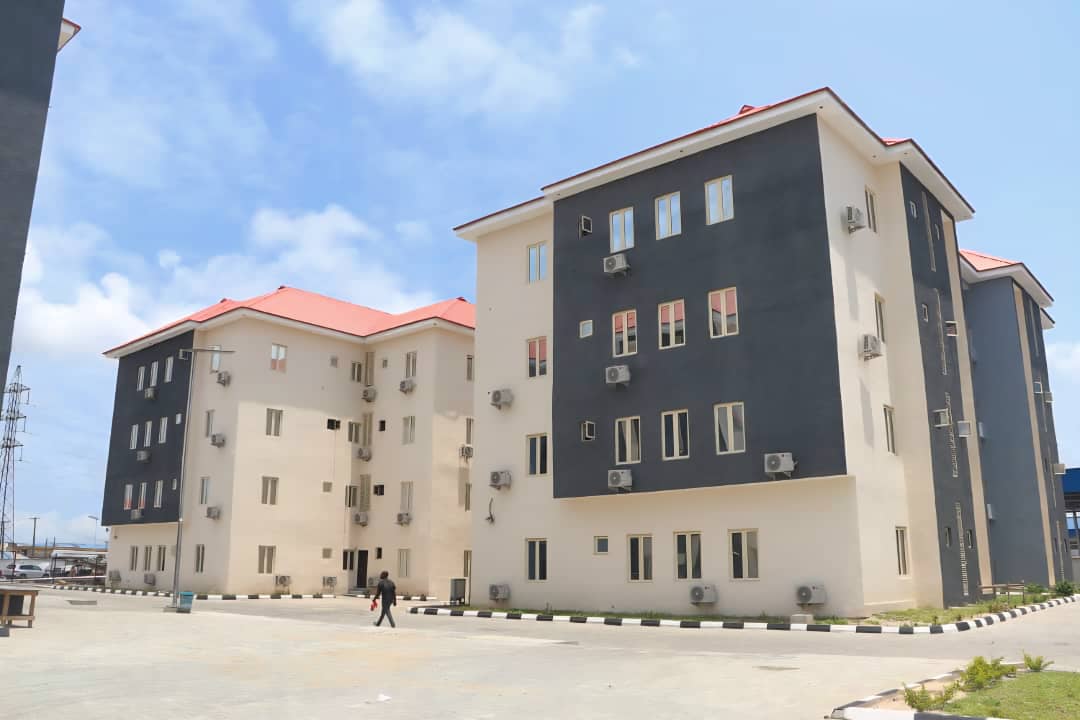
The Lagos State Government has intensified monitoring of major healthcare infrastructure projects as the 280-bed Ojo General Hospital nears completion, while construction of the new 180-bed Somolu General Hospital gathers pace.
The Commissioner for Health, Prof. Akin Abayomi, disclosed this during an inspection tour of the two projects on Friday, saying the Ojo facility was about 85 per cent complete and expected to be ready for commissioning by the end of 2026 or the first quarter of 2027.
Abayomi, who was accompanied by the Special Adviser to the Governor on Works, Dr. (Engr.) Adekunle Olayinka, said the Ojo project had entered the finishing stage, with high-tech medical equipment and furniture already ordered.
He said inspection visits would now be conducted more frequently to ensure that the facility was completed in line with required standards.
“We are at the point where we’re doing the finishing touches. We’ve ordered the high-tech equipment. We’ve ordered the furniture,” the Commissioner said, adding that the government was addressing outstanding issues ahead of completion.
At Somolu, Abayomi inspected the foundation of the new seven-floor, 180-bed multi-specialist hospital, which is currently about 15 per cent complete.
The project is being constructed on the former Somolu Local Government headquarters site following the relocation of the council administration to another facility.
The Commissioner explained that the decision to construct a new hospital rather than expand the existing facility was informed by the size of its catchment population and the limitations of the current 60-bed hospital.
He assured residents that the existing Somolu General Hospital would continue to provide uninterrupted clinical services while construction of the new facility continues.
“Instead of upgrading it, we decided to build a brand-new Somolu Hospital,” he said.
Abayomi explained that the existing hospital would eventually be demolished after the new facility had been completed and operationalised, with its site redeveloped for parking and other supporting services.
According to him, the new Somolu hospital will be designated as a Head and Neck Super-Specialty Centre, offering Plastic Surgery, Maxillofacial Surgery, Ear, Nose and Throat, Ophthalmology and Dentistry, alongside the core specialties of Medicine, Surgery, Paediatrics and Obstetrics and Gynaecology.
He said the specialisation plan was part of the State’s broader strategy to transform its general hospitals into centres of excellence with designated super-specialties.
Abayomi said the approach would expand access to advanced medical interventions and reduce the need for Lagos residents to seek specialised treatment outside the country.
“Over the next five to ten years, we believe that every kind of medical intervention will be available in Lagos in both the public and the private sector, so that outbound medical tourism will stop, and in fact, it will reverse,” he said.
The Commissioner also disclosed that the new hospital designs were incorporating renewable energy, low-carbon technologies, improved patient and staff movement, water catchment, sewage management and infection prevention and control measures.
He said the measures were designed to make the facilities more sustainable and energy-efficient while improving safety for patients and healthcare workers.
Abayomi disclosed that about 107,000 registered patients currently access services at the Somolu facility, while its wider catchment area is estimated at between five million and 10 million people.
He said the figures underscored the need for a larger and more modern hospital to serve the growing population.
Also speaking, Olayinka said the inspection at Ojo confirmed the project’s reported 85 per cent completion, adding that the government’s quality assurance and control teams had identified minor areas requiring correction by the contractor.
He said the identified issues had been communicated to the contractor for necessary action.
According to Olayinka, the solar installation at Ojo met the required specifications and would provide an important alternative source of power when the hospital becomes operational.
He added that the Somolu project, which experienced some initial challenges, was now progressing after the identified issues were resolved.
Olayinka said the Somolu hospital was expected to be completed by the third quarter of 2027, with modern engineering systems, green technologies, carbon-reduction measures and solar power incorporated into its design.
The inspection team included officials of the Ministry of Health’s Medical Project Implementation Unit, the Office of Works, management of Somolu General Hospital, contractors and technical project management teams.
Abayomi said the infrastructure investments, combined with healthcare financing reforms, compulsory health insurance and the proposed University of Medicine and Health Sciences, would strengthen Lagos’ healthcare system and position the State as a regional destination for specialised medical care.