By Juliet Umeh
As the global climate dialogue intensifies ahead of the 2025 United Nations Climate Change Conference, COP 30, in Belém, Brazil, environmental rights groups have strongly criticised Nigeria’s recent call to monetise natural resources, warning that such a move risks commodifying nature and undermining genuine climate justice.
Vice President Kashim Shettima, speaking in Belém, had urged the creation of new finance mechanisms to “harness the economic value of nature” — a proposal that has sparked backlash from civil society organisations.
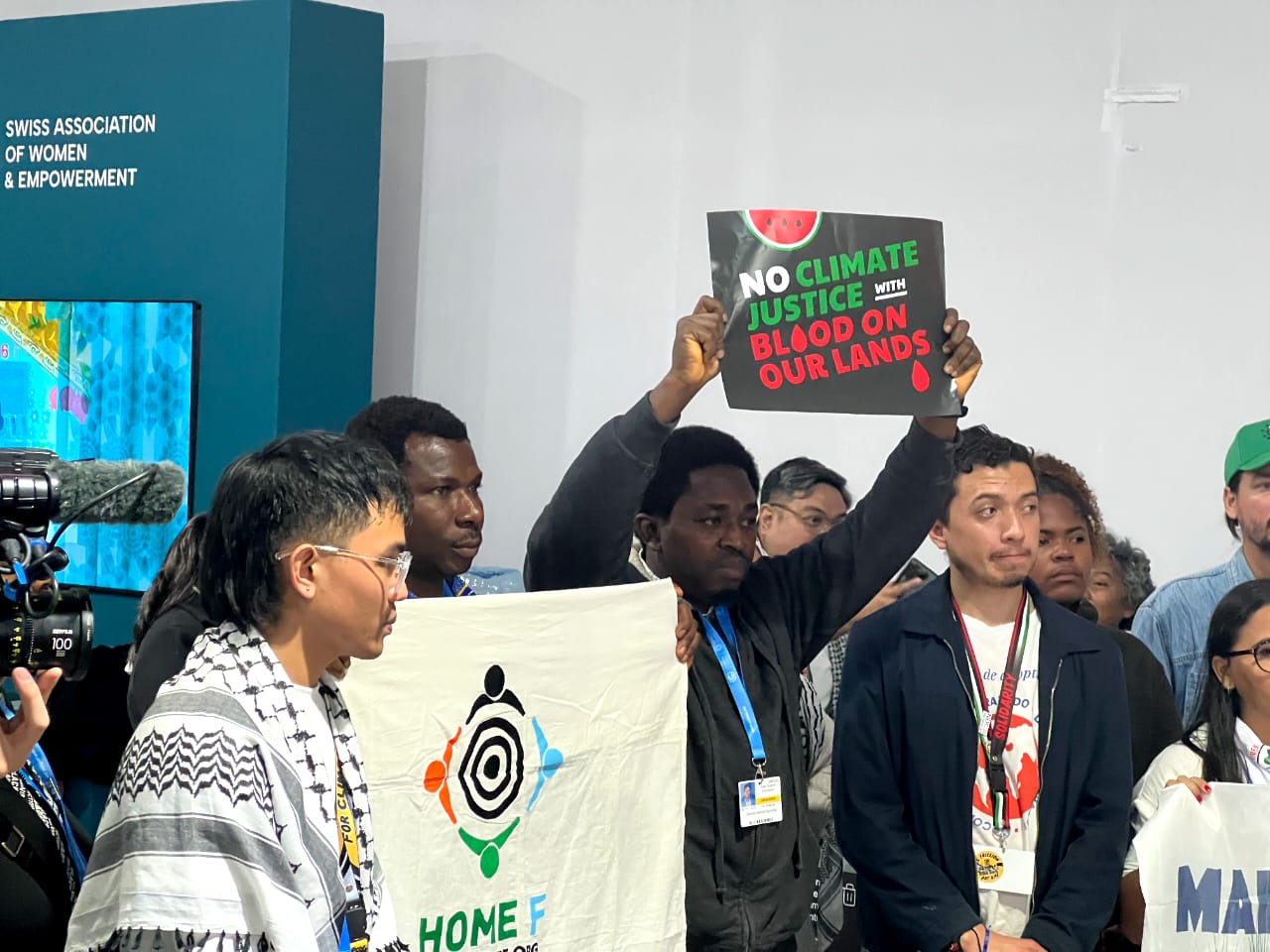
In a joint statement, Corporate Accountability and Public Participation Africa, CAPPA, Health of Mother Earth Foundation, HOMEF, Environmental Rights Action/Friends of the Earth Nigeria, ERA/FoEN, Lekeh Development Foundation, and Social Action condemned the approach, describing it as “a concerning misinterpretation of true climate justice.”
According to the groups, Nigeria’s forests, water bodies, land, and biodiversity are collective heritage and sources of life, not economic assets to be traded for profit.
“We find this framing deeply troubling because it reduces nature to a mere economic asset,” the statement read. “This approach, often disguised under concepts like ‘nature-based solutions,’ ‘carbon markets,’ and ‘carbon offsetting,’ encourages the financialisation of the environment, turning ecosystems into speculative commodities traded for profit.”
The organisations warned that such market-driven models have historically led to the destruction of ecosystems, displacement of smallholder farmers, and erosion of indigenous rights. They argued that these schemes prioritise financial returns over preservation, exacerbating food insecurity and deepening rural poverty.
“It opens the door to corporate capture and greenwashing, where polluting companies buy carbon credits instead of cutting emissions,” they added. “This allows continued environmental degradation under the guise of sustainability while risking Nigeria’s sovereignty by tying its ecological wealth to volatile international carbon markets.”
The groups urged the Federal Government to reject the commodification of nature and instead pursue pathways that prioritise equity and sustainability.
“True climate justice demands that nature remains a shared trust, not a tradable commodity,” they said. “The State has a duty to safeguard the environment, human culture, and dignity — not to exploit them for profit.”
They called for Nigeria to focus on renewable energy development, including solar and wind technologies, and to support agroecology and community-led conservation as sustainable alternatives that strengthen biodiversity and ensure food sovereignty.
Emphasising inclusive policymaking, the organisations urged government engagement with civil society, indigenous groups, and local communities before advancing any environmental policy.
“Climate action must be people-centred — rooted in justice, equity, and human rights — not dictated by corporate interests or carbon traders,” they concluded.