…Injects over $162,000 into local economy in Q1 2026
By Kinsley Samuel
Nigeria is leveraging its fast-growing Web3 talent base to address youth unemployment, limited access to global funding, and fintech infrastructure gaps, as the country emerges as the number one hub for Solana developers in Africa and sixth globally.
This is according to the Q1 2026 Impact Report released by SuperteamNG, which highlights how targeted ecosystem-building efforts are translating into real economic value and job opportunities for young Nigerians.
The report shows that over $162,000 in direct capital was injected into Nigeria’s economy within the first quarter of 2026 alone, through grants, bounties, and developer incentives, an intervention experts say is helping to solve one of the country’s biggest challenges: access to high-value digital jobs.
Tackling unemployment through digital skills
With millions of young Nigerians struggling to find employment, the rise of blockchain development is opening new pathways to global income streams.
According to the report, Nigerian developers now account for 67 percent of all active Solana developers in Africa, positioning the country as a dominant force in the global Web3 talent market.
“This is not just about rankings, it is about opportunity,” said Harrison Obiefule, Lead of SuperteamNG.
“Nigeria is no longer just a consumer of global technology; we are becoming a factory for it. At a time when local economic conditions are tough, we are creating systems where young people can earn globally without leaving the country.”
He explained that the organisation’s “Internet Capital Markets” model is helping Nigerian developers plug directly into international funding streams, bypassing traditional barriers such as limited venture capital access and local currency constraints.
Unlocking access to global funding
One of the biggest structural problems facing Nigerian innovators has been access to capital. SuperteamNG’s model appears to be closing that gap.
Within three months:
- Nigerian builders earned $65,779 in ecosystem bounties
- Secured $88,500 in grants from the Solana Foundation
These inflows are particularly significant in a country where startup funding has slowed and traditional financing remains difficult to access.
Analysts say this model allows developers to monetise their skills immediately, rather than waiting for long-term investment cycles.
Building real-world solutions, not just code
Beyond funding, the report highlights how Nigerian developers are solving real financial problems using blockchain technology.
Products incubated within the ecosystem are already processing millions of dollars in transactions:
- Evolution has surpassed $4 million in total value processed
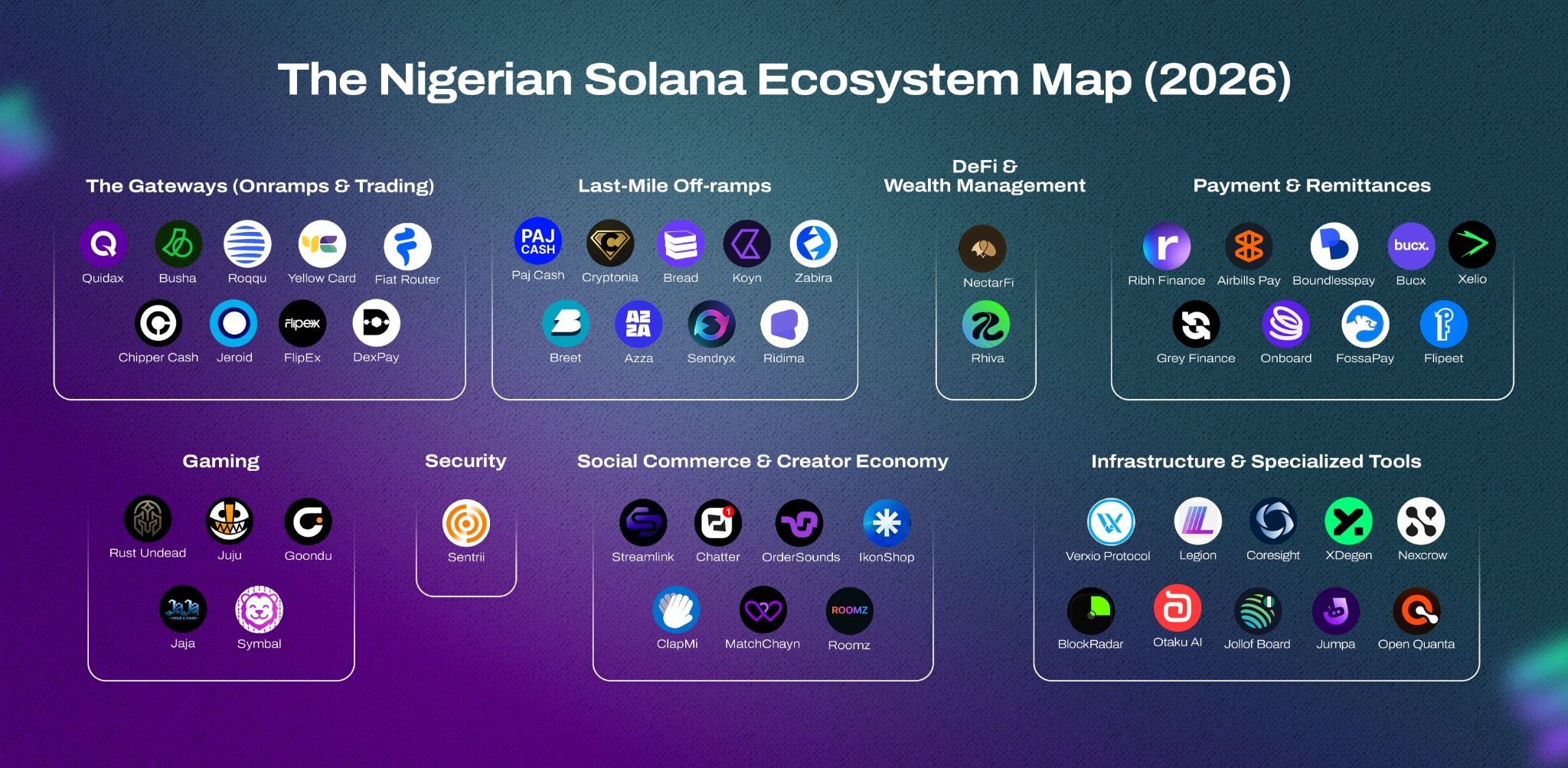
- NectarFi recorded over $6 million in beta transaction volume
These platforms are enabling faster, cheaper, and more accessible financial services—particularly in areas such as cross-border payments, savings, and lending.
Obiefule noted that blockchain is increasingly becoming foundational to Nigeria’s fintech space.
“Solana is no longer just an option for Nigerian fintechs—it is becoming the default infrastructure for payments, savings, and even global trade,” he said.
Bridging the gap between traditional finance and Web3
Another key challenge in Nigeria’s financial ecosystem has been the disconnect between traditional finance and emerging digital systems.
To address this, SuperteamNG facilitated partnerships with 15 major local platforms—including Busha, Raenest, and Jeroid—to integrate blockchain-based features.
These integrations are enabling:
- Stablecoin settlements
- Faster cross-border transactions
- Access to SOL-backed loans
Industry observers say this could significantly reduce transaction costs and improve financial inclusion across the country.
Expanding access beyond major cities
To ensure that opportunities are not limited to Lagos or Abuja, SuperteamNG expanded its activities across 30 states in Q1.
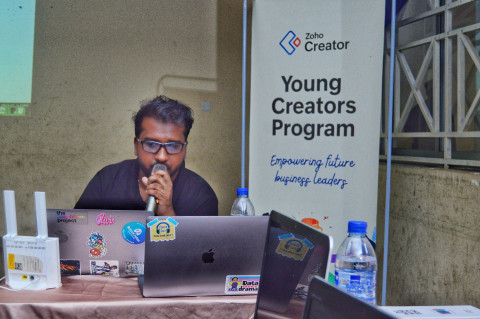
The organisation hosted 186 events, both physical and virtual, aimed at onboarding new users, training developers, and connecting talent to opportunities.
This decentralised approach is helping to address regional inequality in access to digital skills and income.
Building a sustainable talent pipeline
Recognising that long-term impact depends on continuous talent development, the ecosystem has also launched structured training programmes.
These include:
- A 16-week developer bootcamp
- Specialised guilds for writers and designers
The initiative is designed to equip a new generation of Nigerian “vibe coders” with globally competitive skills.
A model for economic resilience
As Nigeria grapples with inflation, currency pressures, and unemployment, stakeholders say the Web3 ecosystem offers a viable path to economic resilience.
By combining skills development, access to global capital, and real-world applications, the model addresses multiple structural challenges simultaneously.
“This Q1 performance sends a strong signal,” Obiefule said.
“The future of decentralised finance is not just being consumed in Nigeria—it is being built here, in Lagos, Enugu, Abuja, and across the country.”