…New NHSRII workshop pushes data, accountability, and innovation
By Juliet Umeh
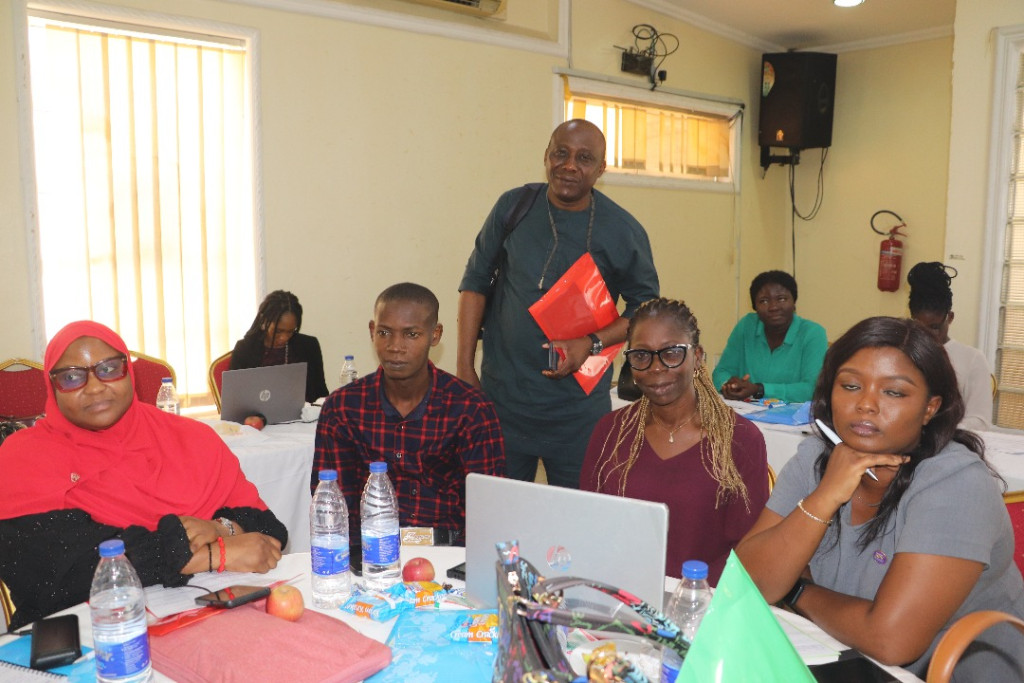
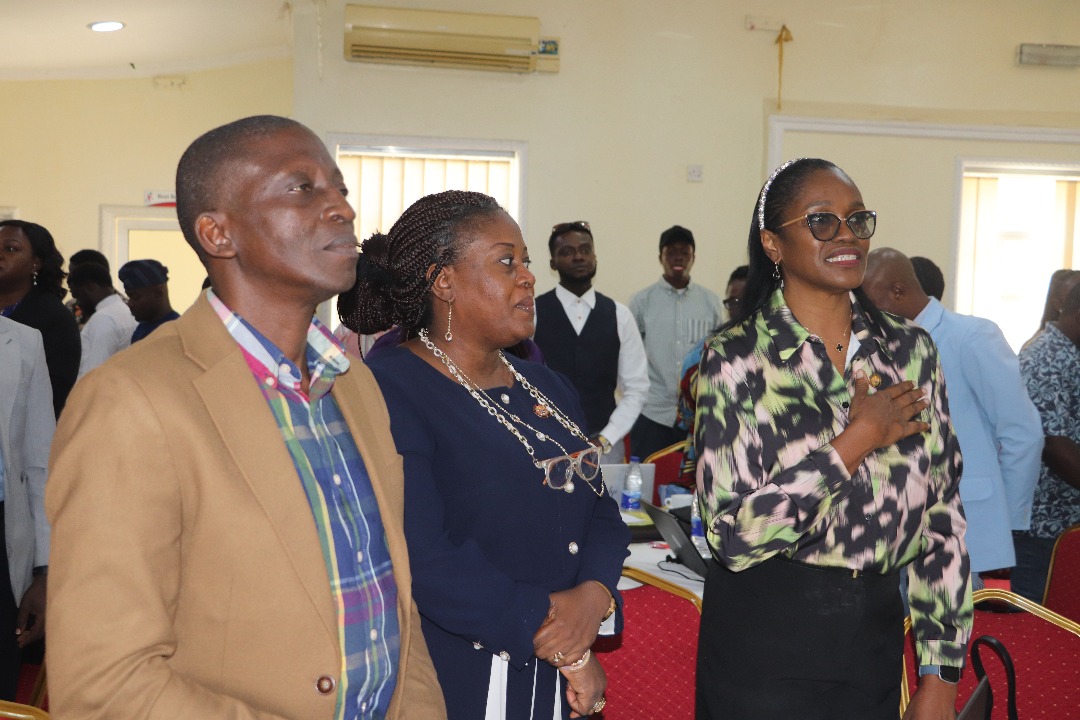
In an effort to strengthen coordination, strategic leadership, and evidence-based planning across its healthcare system, the Lagos State Ministry of Health has launched a four-day high-level leadership workshop for top health officials, policy influencers, and partners in the state.
The capacity-building session, hosted at Trident Suites, Ikeja, is organized in collaboration with the Federal Ministry of Health and the Sector-Wide Approach (SWAp) Coordination Office under the Nigeria Health Sector Renewal Investment Initiative (NHSRII). The theme of the workshop is “Towards Rational, Realistic, Pragmatic and Comprehensive Planning That Informs Health Budgets for the People of Lagos State.”
Declaring the workshop open, the Special Adviser to the Governor on Health, Dr. (Mrs.) Kemi Ogunyemi, described it as a pivotal moment for institutional transformation. “This is not just training, it’s a leadership reset,” she said. “We need health managers who understand systems, embrace innovation, and are willing to connect big-picture reforms with realities on the ground.”
Dr. Ogunyemi called on participants to take full ownership of the NHSRII agenda, stressing that health leaders must bridge the gap between strategy and service delivery. “We’ve had programs like HOPE and NHSRII. Now, it’s time to operationalize them in ways that reflect our peculiar Lagos context. If a federal template doesn’t work for us, we must say so and find a workable alternative that achieves the same goals,” she asserted.
She challenged participants to confront hard truths around maternal health, health-seeking behavior, and service quality. “If women still prefer traditional birth attendants despite free antenatal services, then we must ask—what are we missing? This is where leadership meets responsibility,” she added.
In his remarks on behalf of the Permanent Secretary, Dr. Olusegun Ogboye, the Director of Healthcare Planning, Research and Statistics, Dr. Olajumoke Oyenuga, emphasized that the workshop will equip participants with cutting-edge tools such as the new web-enabled Annual Operational Planning (AOP) tool, systems thinking models, and performance-based frameworks.
“These innovations will enhance our ability to plan smarter, track deliverables in real time, and reduce inefficiencies,” Dr. Oyenuga said. “We are moving away from fragmented spreadsheets to dynamic, web-based systems that promote transparency, accountability, and alignment with federal benchmarks.”
Dr. Nonso Egbosi, Assistant Director and Head of Strategic Planning at the Federal Ministry of Health, commended Lagos for demonstrating strong ownership of the NHSRII process. “This is how reform should look, federal vision cascading into state-level action with clarity and purpose,” he said. “We trained national planners in Abuja; Lagos is now setting the standard for subnational implementation.”
The SWAp Desk Officer, Dr. Oyeyemi Ogunjobi, explained that the four-day workshop will feature group planning exercises, peer learning, and applied systems analysis. According to her, the training will not only improve planning capacity but also generate tangible inputs for future health budgets in the state.
“We expect each participant to leave here equipped with the knowledge and leadership mindset needed to drive transformation across all LGAs and LCDAs,” she noted.
Mr. Olukunle Daramola, a consultant with the Bill & Melinda Gates Foundation, reaffirmed the Foundation’s support for the Lagos health system and applauded the government’s commitment to the SWAp approach. “This is about more than plans. It’s about translating policy into impact. We are proud to be on this journey with Lagos,” he said.
Among the participants, Dr. Osenat Ibrahim, Medical Officer of Health for Ejigbo LCDA, expressed enthusiasm for the new web-based tools, while Dr. Akintunde Abimbola of Badagry LGA praised the session as a critical step toward cascading best practices at the grassroots. “The quality of direction we’re getting from the top is commendable. Now, we must ensure this knowledge trickles down to where it matters most, our communities,” he said.
Over the next few days, the workshop will cover modules including the HOPE Agenda, Maternal and Infant Mortality Improvement Initiative (MAMII), bottleneck analysis, and integration of federal and state health priorities. Participants will explore practical ways to strengthen Lagos State’s capacity for improved health outcomes and sustainable system-wide reforms.
With Lagos being Nigeria’s most populous and diverse state, the stakes remain high. But with coordinated planning, innovation, and performance tracking now being embedded into its health governance architecture, the state is showing it’s ready to lead from the front.