By Juliet Umeh

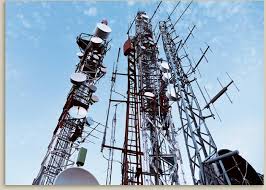
A growing diesel supply crisis is threatening to plunge millions of Nigerians in Lagos, Kaduna, and Delta states into a communications blackout, the Association of Licensed Telecommunications Operators of Nigeria, ALTON, warned today. An escalating dispute between Nigeria’s largest tower infrastructure company, IHS Towers, and a coalition of oil and gas unions has led to a blockade of diesel depots, jeopardizing the power supply to over 16,000 telecom base stations.
The crisis stems from allegations by IHS Towers that two companies affiliated with the Natural Oil and Gas Suppliers Association of Nigeria, NOGASA, and the Nigerian Union of Petroleum and Natural Gas Workers, NUPENG, diverted diesel meant for powering telecom sites. In response, NOGASA and NUPENG have reportedly blocked access to diesel loading depots in Lagos, Kaduna, and Koko (Delta State), effectively stalling distribution.
According to ALTON Chairman, Engr. Gbenga Adebayo, this action poses a “critical threat” to essential services. “These sites not only power mobile and internet services for millions of Nigerians, but also support essential services such as banking transactions, hospital communications, emergency response systems, and national security operations,” he stated.
Adebayo emphasized that under Nigerian law, telecom infrastructure is classified as Critical National Information Infrastructure, CNII, and any deliberate disruption is a punishable offense. He urged all parties to engage in constructive dialogue and resolve the matter through legal processes rather than through blockades or sabotage.
ALTON has called for an urgent intervention from key government stakeholders, including the Office of the National Security Adviser, ONSA, and the Nigerian Communications Commission, NCC, to prevent a nationwide communications blackout. The association warned that the ongoing actions, if left unchecked, could plunge parts of the country into “digital darkness.”
The situation underscores Nigeria’s vulnerability due to its heavy reliance on diesel to power critical infrastructure. Industry observers are calling for long-term investments in alternative power sources, such as solar energy and improved grid infrastructure, to reduce exposure to such disruptions in the future.
As the standoff continues, the fate of millions of digital connections and essential services hangs in the balance.