By Juliet Umeh
P
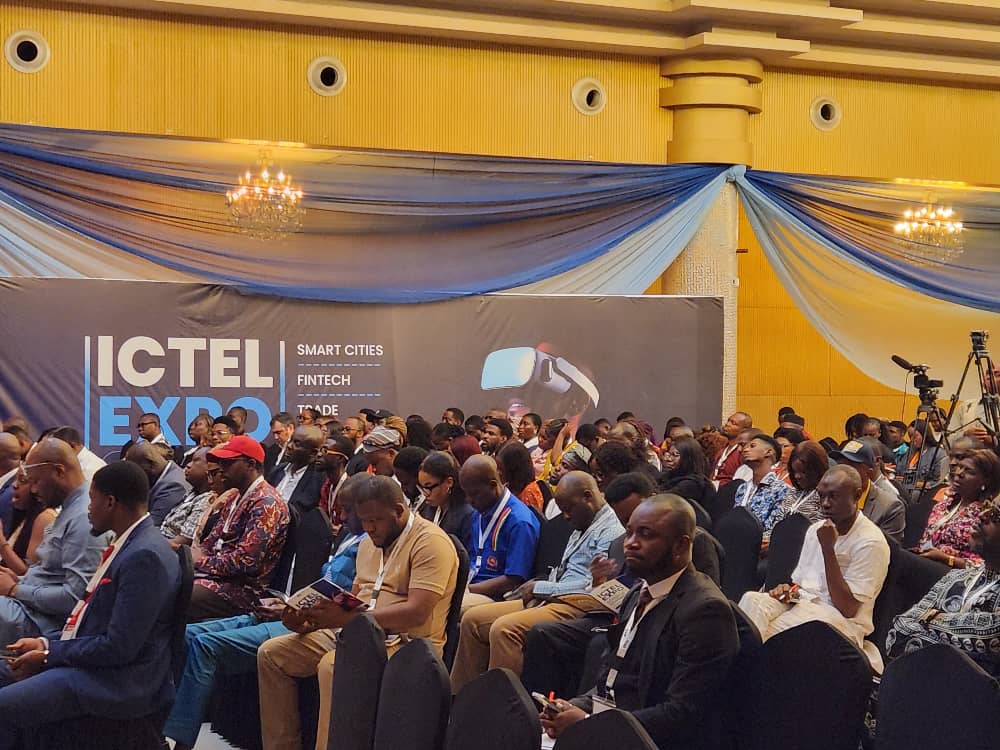
Managing Director and CEO of Galaxy Backbone Limited, Prof. Ibrahim Adejanu, has emphasized the critical role of digital infrastructure in powering Nigeria’s innovation ecosystem and transforming governance, entrepreneurship, and national development.
Adejanu made the call while delivering a a keynote address at the 10th edition of the Lagos Chamber of Commerce and Industry, LCCI ICTEL Expo.
Speaking on the paper titled: “The Role Digital Infrastructure Plays in Innovation,” Prof. Adejanu stated that innovation in the digital age can no longer thrive on ideas alone but must be supported by resilient infrastructure.
He cited global examples like Silicon Valley and Singapore to stress how digital backbones form the bedrock of economic and technological advancement.
“Innovation is not a flash of genius. It is a function of infrastructure,” Adejanu declared. “And here in Nigeria, we are building those invisible highways that will carry us into a digitally enabled future.”
Nigeria’s digital transformation underway
Speaking to a packed hall of technology experts, policymakers, entrepreneurs, and public sector stakeholders, Prof. Adejanu spotlighted Nigeria’s current Global Innovation Index ranking of 109 out of 132 countries as a wake-up call for deeper investments in digital infrastructure, not just ideas.
He revealed that Galaxy Backbone Limited, GBB, now operates Africa’s largest publicly owned Data Centre network, certified by the Uptime Institute as both Tier III and Tier IV compliant, matching global standards for reliability, redundancy, and security.
“Our infrastructure allows startups, businesses, and government institutions access to services once exclusive to global tech giants,” he said. “We’ve created a resilient and secure environment—complete with a 24/7 Network Operations Centre and a world-class Security Operations Centre.”
National connectivity through NICTIB
At the heart of this infrastructure drive is the National Information Communication Technology Infrastructure Backbone, NICTIB, Nigeria’s most extensive digital connectivity initiative. With over 5,000 kilometers of fibre optic cable laid across 28 states, Adejanu said GBB is connecting MDAs, state capitals, and private sector actors with seamless digital access.
“We are not just laying cables—we are laying the foundation for digital governance,” he noted.
Digitizing the federal civil service
Prof. Adejanu highlighted the transformative impact of GBB’s infrastructure within the Federal Secretariat in Abuja, which is now fully interconnected through a secure Local Area Network. For the first time, civil servants can collaborate in real-time using IP-based audio-visual services—eliminating the need for excessive physical meetings and enabling faster, more transparent decision-making.
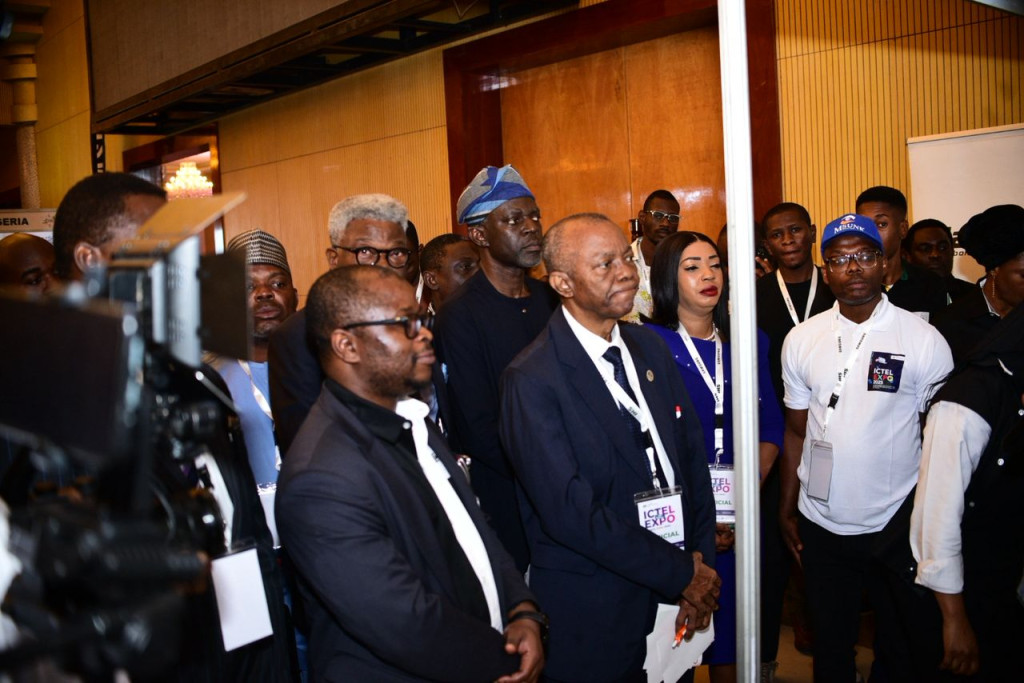
Other digital milestones shared include:
- GovMail: Nigeria’s first secure, indigenous government email platform
- 1Gov Cloud: An Enterprise Content Management System enabling paperless workflows across MDAs
“We are modernizing governance to respond to citizens more efficiently—and with digital sovereignty,” Adejanu said.
Smart cities and innovation multipliers
Beyond Abuja, GBB is powering safe and smart cities through solar-powered, AI-enabled surveillance systems that use high-resolution cameras, predictive analytics, and central command centers to improve urban security and responsiveness.
Adejanu also cited World Bank data showing that a 10% increase in broadband penetration in developing nations can trigger up to 1.38 percent GDP growth, adding that Nigeria is well-positioned to leapfrog development through focused infrastructure investment.
A call for national collaboration
While proud of GBB’s progress, Prof. Adejanu stressed that building an innovation-ready Nigeria requires collaboration between government, private sector, academia, and development partners.
“GBB is opening its infrastructure to partnerships that drive local innovation, cybersecurity, e-learning, digital health, and AI,” he said. “We invite you all to build with us.”
Building the future, together
In closing, Adejanu urged Nigerians not to be mere consumers or spectators in the innovation economy but active architects of the future. “If Africa is to leapfrog in development, technology will be our launchpad,” he concluded. “The time to act is now. Let’s build Nigeria’s digital destiny, together.”