…As college honours 480 professionals at 43rd convocation in Lagos
By Juliet Umeh
The Federal Government of Nigeria and the National Postgraduate Medical College of Nigeria, NPMCN, have jointly emphasized that the future of the country’s healthcare system depends heavily on investing in specialist medical training, expanding residency opportunities, and tackling the rising wave of brain drain affecting the profession.
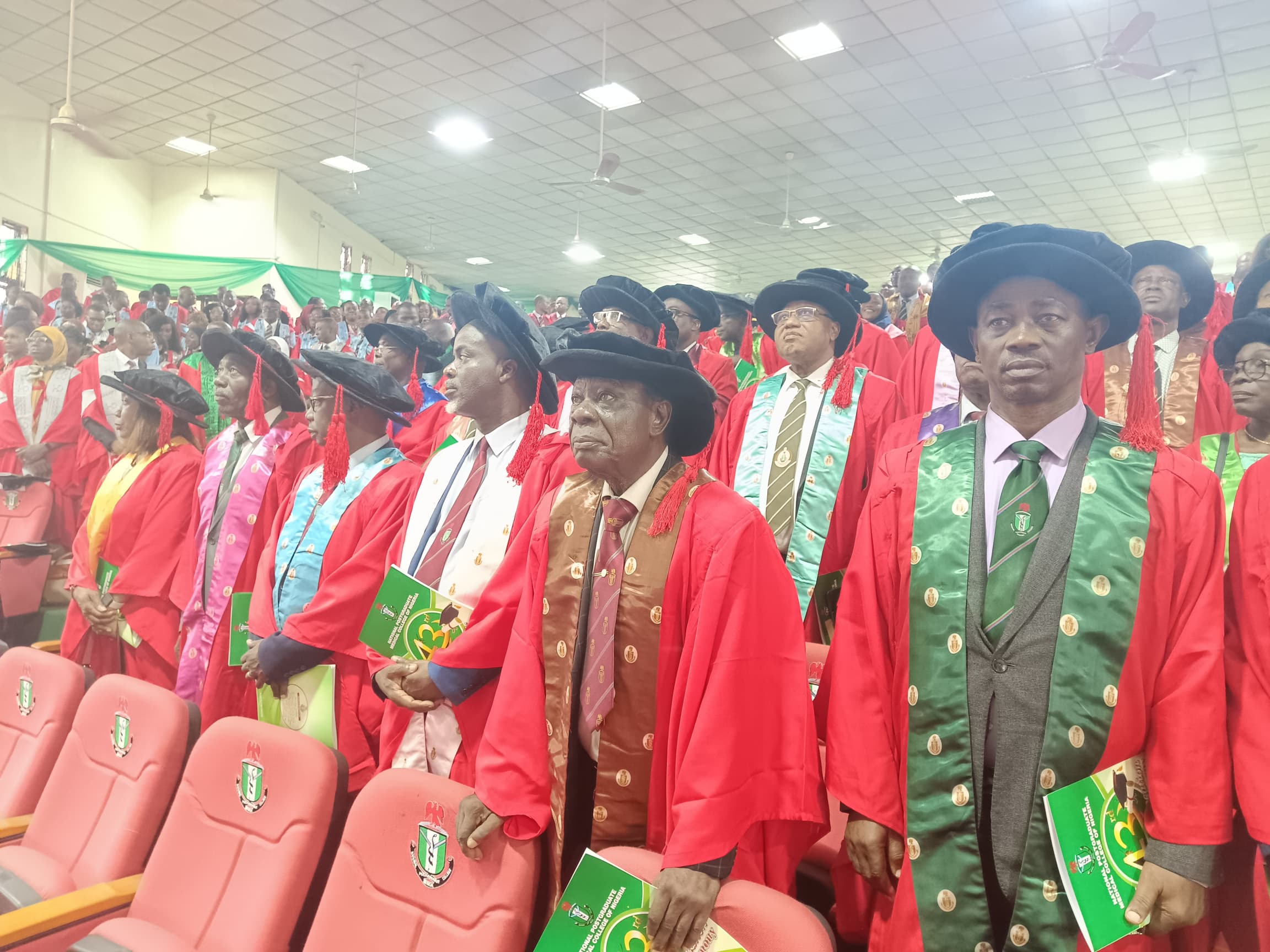
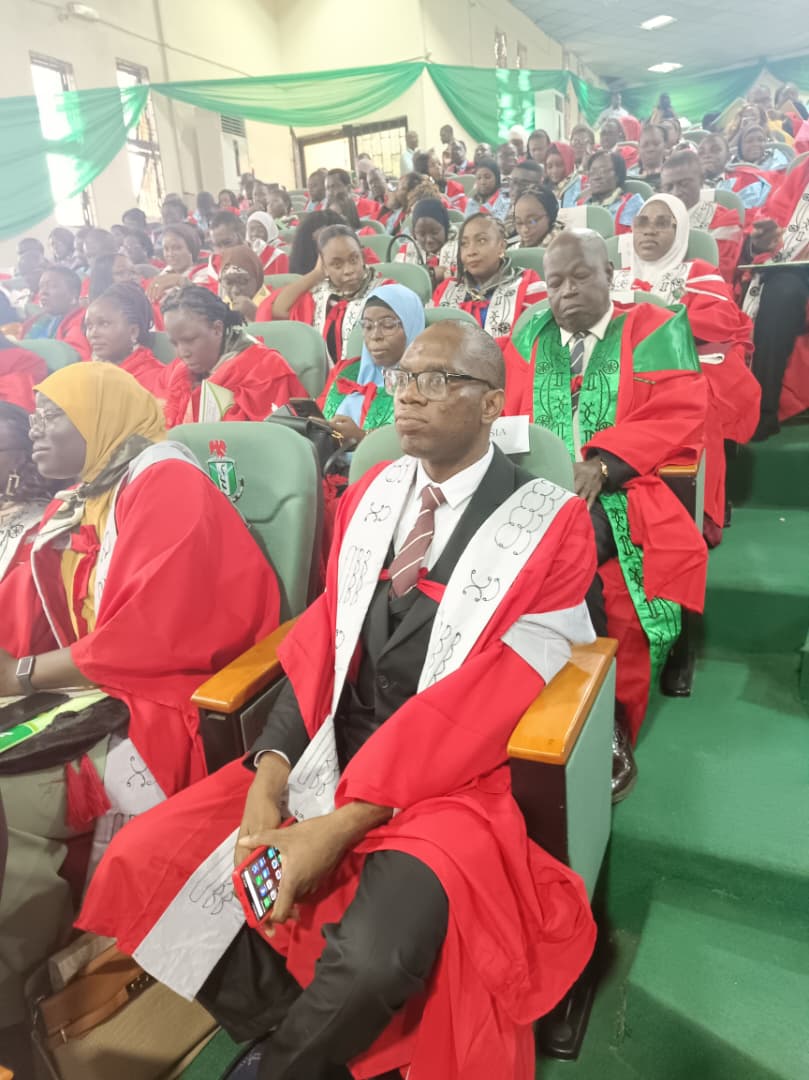
This declaration was made during the College’s 43rd Convocation Ceremony, held on Thursday in Lagos, where a total of 480 professionals were awarded Fellowships, Doctor of Medicine, MD, degrees, Diplomates, and other honours.
Speaking on behalf of the Coordinating Minister of Health and Social Welfare, Dr. Jimoh Saludeen congratulated the new awardees and described them as the “backbone of Nigeria’s healthcare system.”
“Your resilience, hard work, and dedication are not only personal achievements but vital contributions to the future of our healthcare system,” Dr. Saludeen said. “The Ministry is committed to ensuring that your skills are harnessed here at home to serve our people.”
He noted that postgraduate training and the production of medical specialists are integral to President Bola Ahmed Tinubu’s Four-Point Health Agenda, particularly in strengthening human resources for health.
Federal government commitments
Dr. Saludeen highlighted the Federal Government’s interventions to strengthen postgraduate medical education, including increased budgetary allocation for residency training, access to TETFund for research and infrastructure, and dedicated support for health-related research initiatives. He added that the government has also completed key capital projects such as the Senate Building and the Clinical Skills Centre in Lagos, while acquiring a new Abuja office to give the College a stronger national footprint.
“These measures reflect the Federal Government’s determination to create an enabling environment for medical training,” he said.
“Our ultimate goal is to reduce the need for Nigerian doctors to seek opportunities abroad and to ensure that every citizen has access to specialist care within our borders.”
NPMCN’s expanding role
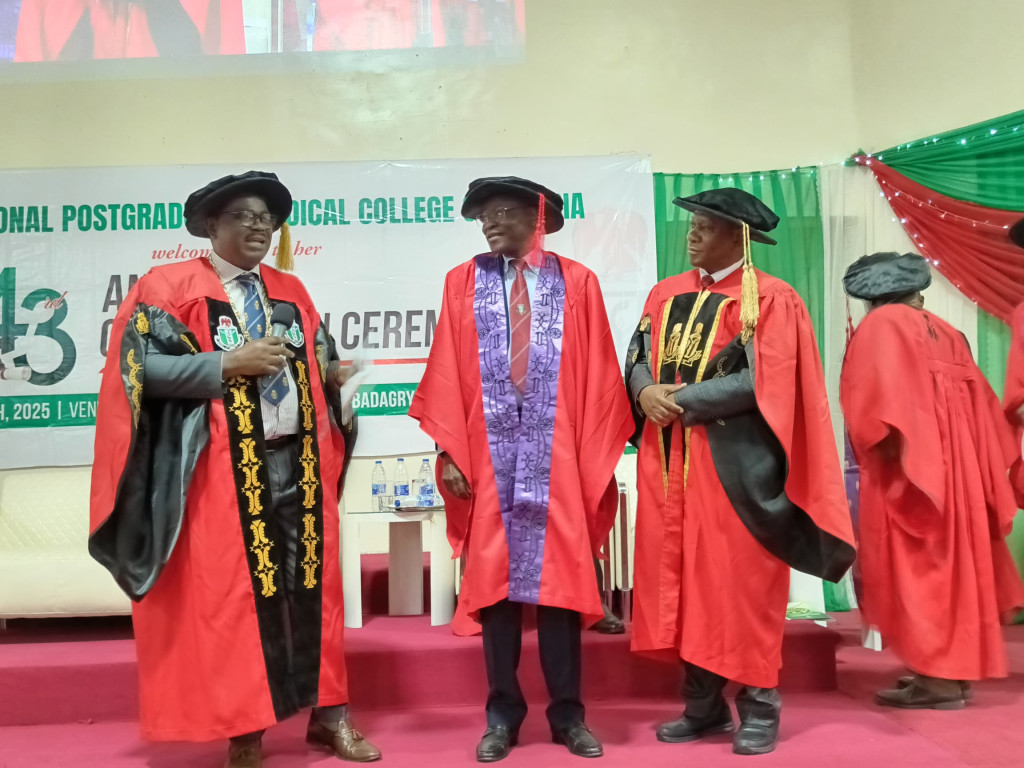
Earlier at a press briefing, the President of the College, Dr. Peter N. Ebeigbe, reaffirmed the institution’s mission to advance excellence in medical education, training, and research. He highlighted that the College has taken bold steps to modernize its training processes and expand its reach.
“The College has expanded training centres, digitized examinations, and forged new international collaborations to ensure that Nigerian doctors remain globally competitive,” Dr. Ebeigbe said.
According to him, the College achieved record milestones in the past year, including the highest number of graduating Fellows in its history and successful computer-based examinations across multiple centres.
He noted partnerships with medical institutions in the UK, USA, and the West African sub-region as part of efforts to align Nigerian training with global standards.
The challenge of brain drain
Despite these gains, Dr. Ebeigbe raised concerns about challenges that continue to undermine medical education in Nigeria. He described the mass exodus of healthcare professionals, popularly known as the “Japa syndrome,” as a serious threat to the health sector.
“The Japa syndrome continues to drain the country of its best medical minds,” he said. “We must urgently address the root causes, namely inadequate funding, poor remuneration, and insecurity disrupting residency training, if we are to retain our doctors and trainers.”
He stressed that the departure of highly trained specialists not only creates gaps in healthcare delivery but also erodes the capacity of medical schools and teaching hospitals to train the next generation of practitioners.
Convocation honours
At the ceremony, awards were conferred on 405 new Fellows, 34 Doctor of Medicine (MD) recipients, 37 Diplomates in Family Medicine, four Distinguished Fellows, and four Postgraduate Diploma awardees in Anaesthesia and Public Health.
Distinguished Fellowship recipients were Dr. Sebastian Nwosu, Dr. Dilli Dogo, Dr. Chukwuemeka Ezeanolue, and Dr. Fatiu Arogundade, all honoured for their significant contributions to medical practice and education in Nigeria.
Dr. Ebeigbe described the convocation as a moment of reflection and renewed commitment for the College. “Our Fellows, MDs, Diplomates, and awardees represent the promise of better healthcare for our people. This event is not just about celebrating their achievements but also about reaffirming our pledge to strengthen Nigeria’s healthcare system,” he said.
Call for collaboration
Both the Federal Government and the NPMCN leadership used the occasion to appeal for stronger collaboration from stakeholders, including state governments, private healthcare investors, development partners, and the media.
“Our healthcare future depends on our specialists,” Dr. Saludeen emphasized. “We call on our graduates to be ambassadors of the College, serving humanity with expertise and compassion. At the same time, we urge every stakeholder to contribute resources and policy support to sustain specialist training.”
Dr. Ebeigbe echoed the call, noting that medical education cannot thrive in isolation. “If Nigeria is to meet international standards of care, training specialists must be treated as a national priority,” he said.
The convocation reinforced the role of the NPMCN as a cornerstone of Nigeria’s healthcare sector. Since its establishment, the College has trained thousands of Fellows who now serve as consultants, teachers, and researchers in hospitals and universities across the country.
With the combined pledges from the Federal Government and the College, expectations are high that new initiatives and collaborations will strengthen residency training and reduce the outward migration of medical talent.
As Nigeria works toward universal health coverage and a stronger health workforce, Thursday’s convocation served as both a celebration of achievements and a reminder of the urgent reforms needed to safeguard the country’s healthcare future.