By Kingsley Samuel
The Federal Government and development partners have commenced a comprehensive study of Lagos State’s health sector reforms following the state’s emergence as one of Nigeria’s best-performing health systems over the past decade.
The initiative, tagged Nigeria Health System Exemplar Analysis for Action, seeks to identify, document and replicate the policies, leadership approaches and interventions that contributed to Lagos State’s remarkable improvements in health outcomes between 2013 and 2023.
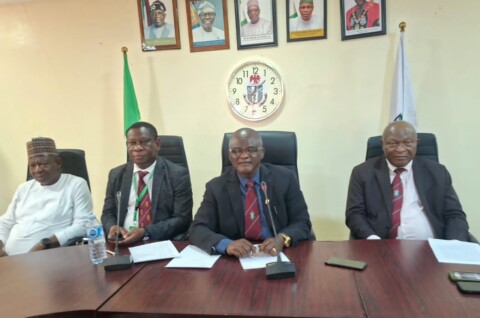
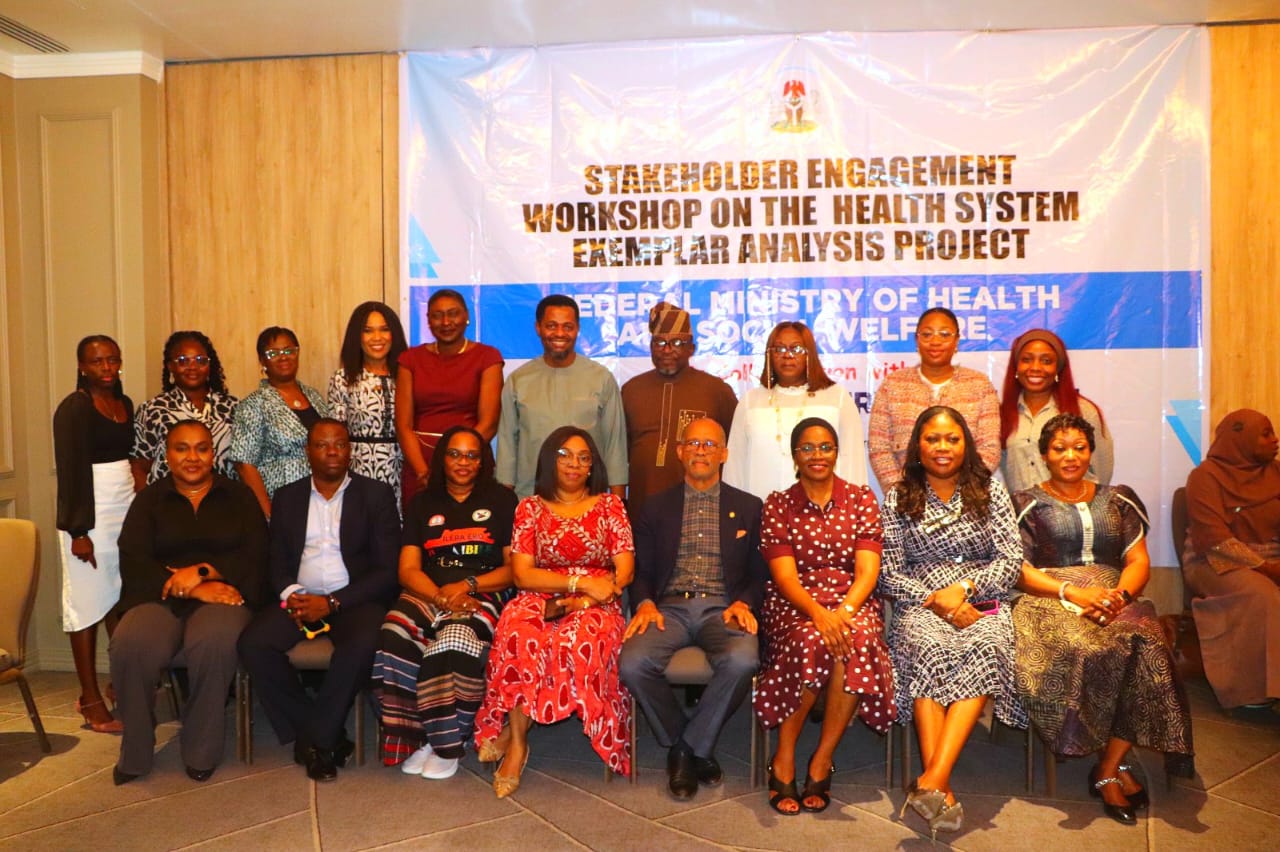
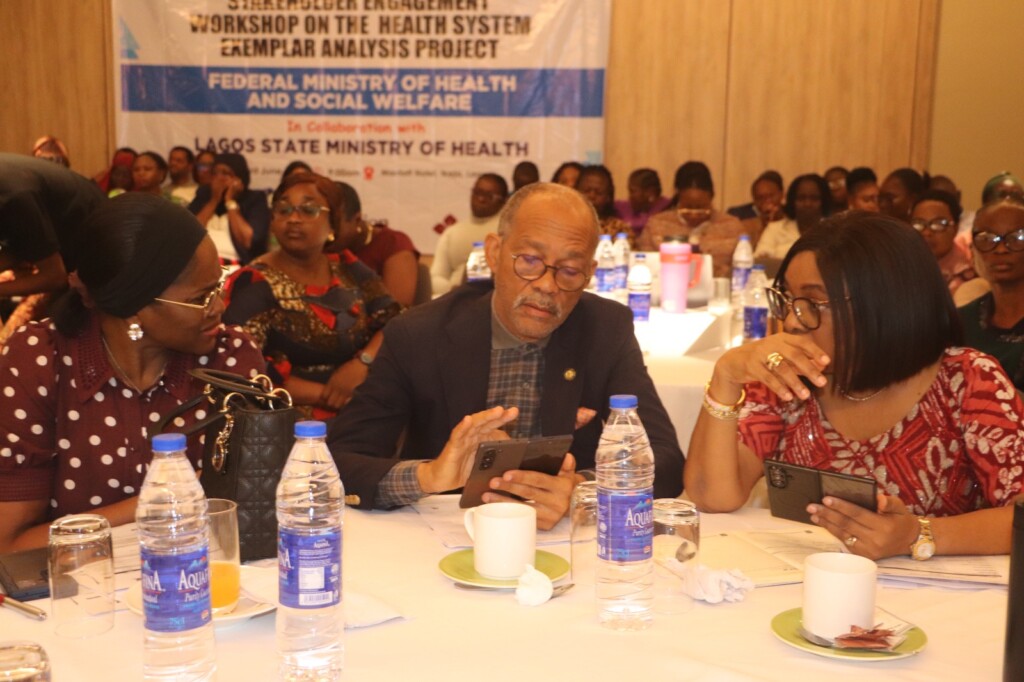
The study was formally launched during a State-Level Stakeholders’ Inception Meeting held in Ikeja on Wednesday under the auspices of the Federal Ministry of Health and Social Welfare and Development Governance International (DGI) Consult, with support from the Gates Foundation and other partners.
The gathering brought together government officials, researchers, development partners, healthcare professionals and private sector stakeholders to examine the factors behind Lagos State’s health sector progress and explore how successful strategies can be adapted across the country.
Speaking at the event, Lagos State Commissioner for Health, Prof. Akin Abayomi, described the study as an important opportunity to objectively assess the state’s healthcare journey and identify lessons that could strengthen health systems nationwide.
According to him, Lagos was honoured to be selected for the exercise, noting that the state’s achievements were the result of deliberate investments in infrastructure, workforce development, health financing, disease surveillance, digital health and public-private sector collaboration.
Abayomi stressed that understanding Lagos’ success requires examining the entire healthcare ecosystem, particularly the private sector, which provides a significant proportion of healthcare services accessed by residents.”
The role of government goes beyond managing public hospitals. It includes providing policy direction, legislation, regulation, public enlightenment and creating an enabling environment for private sector participation,” he said.
He added that strong collaboration between government and private healthcare providers has remained a key driver of improved service delivery in the state.
Special Adviser to the Governor on Health, Dr. Kemi Ogunyemi, explained that the research project is a multi-phase national initiative designed to identify successful health system models and facilitate the replication of proven approaches across Nigeria.
She said the inception meeting was convened to introduce the project to stakeholders, present its methodology and objectives, and secure the collaboration required for successful implementation.
“The project seeks to understand what works, why it works and how successful health interventions can be adapted in other states to improve health outcomes,” she said.
Permanent Secretary of the Lagos State Ministry of Health, Dr. Dayo Lajide, noted that Nigeria’s health sector has undergone several reforms over the past decade, including the implementation of the Primary Health Care Under One Roof policy and the Basic Health Care Provision Fund.
According to him, Lagos has effectively domesticated many of these reforms and the Exemplar Study will provide an evidence-based assessment of their impact through document reviews and stakeholder engagements.
Managing Partner of Development Governance International Consult, Dr. Gafar Alawode, said Lagos earned its selection based on measurable improvements in health outcomes, service coverage and mortality reduction.
He explained that the study aims to move beyond identifying high-performing states to understanding the specific factors responsible for their success.”We want to understand the policies, governance structures, leadership decisions and implementation strategies that produced these outcomes so that they can be replicated elsewhere,” he said.
Presenting an overview of the research, Lagos State Lead for the Exemplar Research Project, Dr. Simisola Alabi, said Lagos emerged as an exemplar state after a comprehensive analysis of national health indicators.
According to her, the state consistently outperformed expectations across several key indicators, including child mortality, severe stunting and health service coverage.
Speaking on behalf of the Federal Ministry of Health and Social Welfare, Director of Healthcare Planning, Research and Statistics, Dr. Anthony Adoghe, congratulated Lagos State for its achievements, describing its health indicators as comparable to those of several developed countries.
He said the Federal Government remains committed to strengthening the use of data and evidence in health planning and policy formulation.
“The goal is to ensure that information generated through surveys and health information systems translates into actionable policies that improve healthcare delivery,” Adoghe said.
Also speaking, President of the Healthcare Federation of Nigeria and Country Director of PharmAccess Foundation, Njide Ndili, commended Lagos State’s progress toward Universal Health Coverage and its leadership in health financing reforms.
She pledged the support of the private healthcare sector for the study, noting that contributions from private providers would be crucial in documenting the state’s transformation journey.
Director of Planning, Research and Statistics at the Lagos State Ministry of Health, Dr. Olajumoke Oyenuga, said the study is expected to generate practical lessons that can strengthen health systems and improve policy implementation across Nigeria.
She urged stakeholders to actively participate in the research process by providing relevant information and sharing experiences that would enrich the study’s findings.
A presentation by the Head of Research Unit, Lagos State Ministry of Health, Dr. Faith Oniyire, highlighted significant progress recorded by the state over the last decade.
According to the presentation, Lagos achieved notable reductions in maternal mortality, under-five mortality and malaria prevalence between 2013 and 2023.
The state also enrolled more than 923,000 residents in the Ilera Eko Health Insurance Scheme and attained the highest digital health readiness ranking in Nigeria.
Stakeholders at the meeting agreed that the Exemplar Study presents a unique opportunity to document Lagos State’s healthcare transformation, strengthen institutional learning and provide a roadmap for improving health systems across the country.
The study’s findings are expected to inform future health sector policies and support the replication of successful interventions in other states as Nigeria intensifies efforts to achieve better healthcare outcomes nationwide.