…As Prof. Ikefuna sets pace for modernising postgraduate medical education
By Juliet Umeh
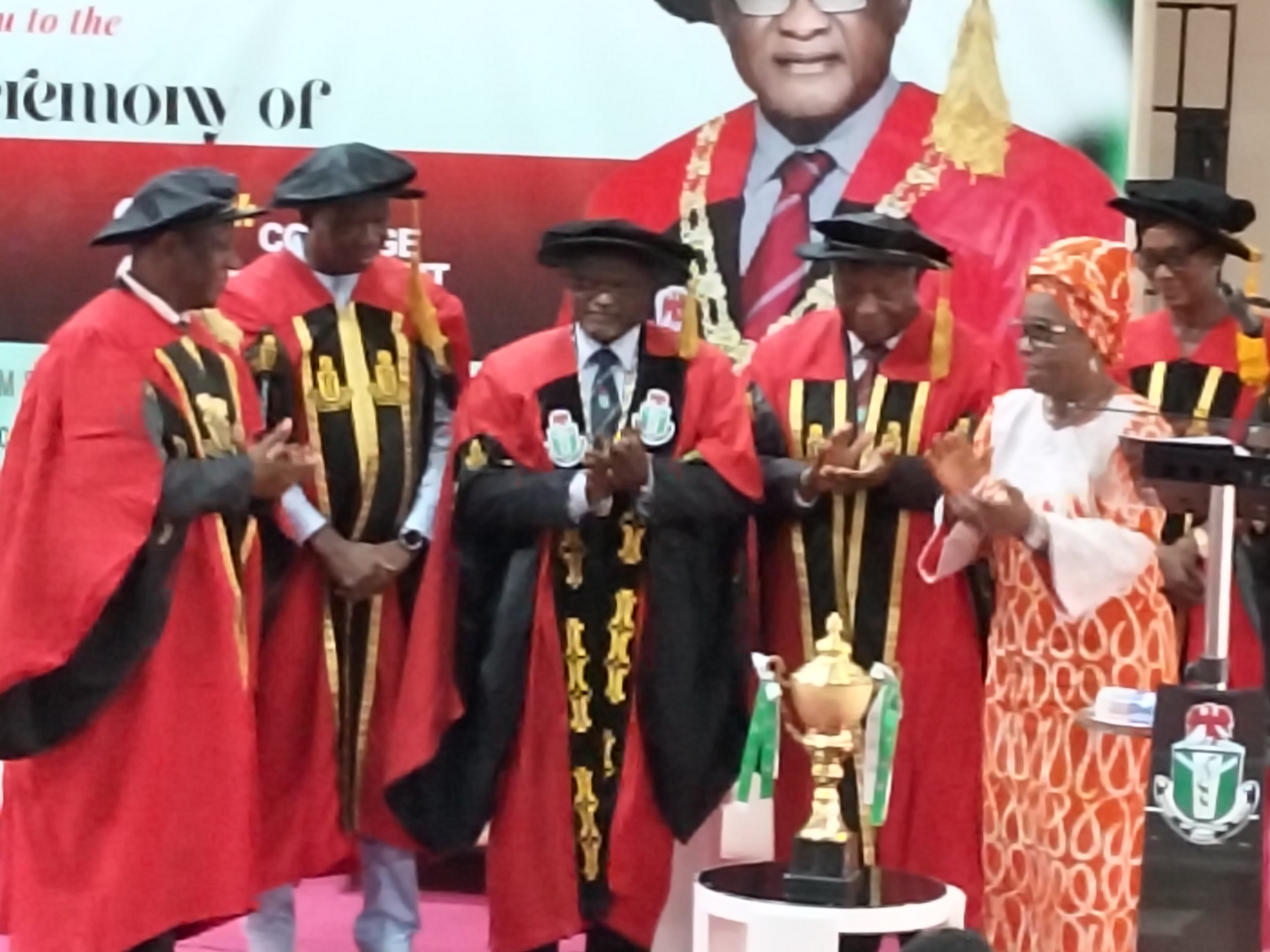
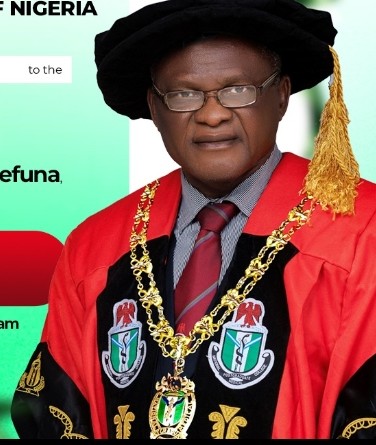
As Nigeria continues to face a shortage of specialist doctors, compounded by the migration of medical professionals abroad, the National Postgraduate Medical College of Nigeria, NPMCN, is taking bold steps to strengthen postgraduate medical training and tap into the expertise of Nigerian doctors in the diaspora. The newly inaugurated 24th President of the College, Prof. Anthony Nnaemeka Ikefuna, says the future of specialist medical education in Nigeria will hinge on diaspora collaboration, digital training, and upgraded infrastructure.
“The National Postgraduate Medical College of Nigeria is designed to cultivate advanced clinical skills, specialised knowledge, and professional development,” Ikefuna said during his investiture. “Our graduates are prepared not only for independent clinical practice and teaching but also for strategic leadership roles in medical and dental specialties.”
Central to his strategy is engaging Nigerian specialists abroad. Recognised globally for their competence and clinical expertise, these diaspora doctors can now apply for Fellowship of the College under newly introduced guidelines. “We will continue to embark on programmes that encourage our professionals in the diaspora, who have contributed significantly to medical training, to join us and further boost our image,” Ikefuna said.
“In the maiden edition, over eighty specialists in the diaspora applied for our Fellowship.” The initiative is expected to foster mentorship, research collaboration, and knowledge exchange between resident doctors in Nigeria and international experts. “The College belongs to all Nigerians, and we must accommodate every proficient medical professional willing to partner with us,” he added.
Despite these plans, infrastructural gaps remain a challenge. A dedicated Computer-Based Test (CBT) centre, for instance, is yet to be established within the College. Currently, examinations rely on external centres across Nigeria. “A dedicated CBT centre will improve monitoring, ensure fair testing conditions, enhance data security, and streamline examination timelines,” Ikefuna explained.
Equally important is the development of clinical skills and simulation laboratories, which allow trainees to practise complex procedures on high-fidelity mannequins and digital systems before attending to real patients. “Simulation-based training is critical for improving clinical competence and patient safety,” Ikefuna said. Plans for an ICT-enabled telemedicine centre will further allow resident doctors to engage in virtual consultations and academic exchanges with global experts, eliminating costly travel.
Stakeholders hailed Ikefuna’s leadership as a transformative moment. The Minister of State for Health and Social Welfare, Iziaq Adekunle Salako, described the College as “a strategic partner in strengthening Nigeria’s healthcare workforce. The Federal Government’s health sector reforms depend heavily on well-trained medical specialists, and the College continues to play a pivotal role.” Other participants lauded Ikefuna as a “teacher of teachers,” whose mentorship has shaped generations of doctors.
For Ikefuna, leading the College is not merely a personal milestone. “This is a continuation of my service to strengthen postgraduate medical training in our College and, by extension, our country,” he said. “Our College remains Nigeria’s image in postgraduate medical training. We will continue to produce quality medical and dental manpower for Nigerians and beyond.”
With initiatives spanning diaspora engagement, digital platforms, and modern infrastructure, the NPMCN is positioning itself to address Nigeria’s pressing need for specialist doctors while elevating the country’s healthcare standards to international levels.
Also in his speech, President of the Medical and Dental Consultants’ Association of Nigeria, MDCAN, Prof. Apollos Ndukuba, said hospitals are increasingly struggling to recruit and retain doctors.
According to Ndukaba, “When hospitals call for employment, people are not coming to take it up. Even those that come, six months or one year later, they are no longer there.”
He compared the situation to “pouring water into a leaking basket”.
He said the country cannot retain enough doctors despite producing new graduates every year.
Ndukuba added that many doctors who remain in Nigeria continue to work out of patriotism despite the challenges.