…Trains DSNOs on real-time response, risk communication
…Participants hail hands-on, case-based learning model
By Kingsley Samuel
In a bid to tackle delayed outbreak detection, weak data utilisation, and misinformation risks in public health emergencies, the Lagos State Government has intensified efforts to strengthen its disease surveillance system through targeted, hands-on training for frontline officers.
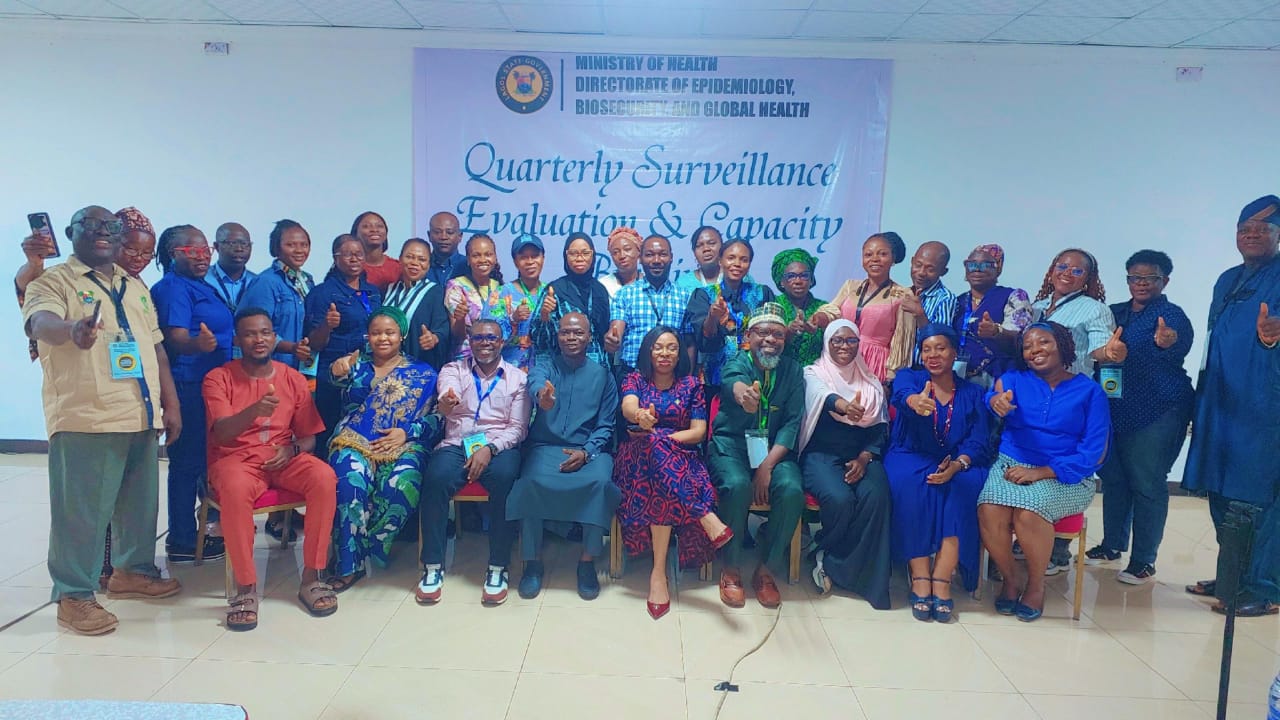
The Lagos State Ministry of Health convened a four-day Quarterly Surveillance Evaluation and Capacity Building programme for Disease Surveillance and Notification Officers (DSNOs), aimed at closing critical gaps between data collection and rapid response.
The training, held at Orchid Hotel from April 22 to 25, 2026, focused on equipping officers with practical skills to detect, report, and respond to outbreaks in real time using case-based approaches.
Bridging the gap between data and action
Despite increased data collection across Nigeria’s health system, experts say a major challenge remains translating that data into timely interventions.
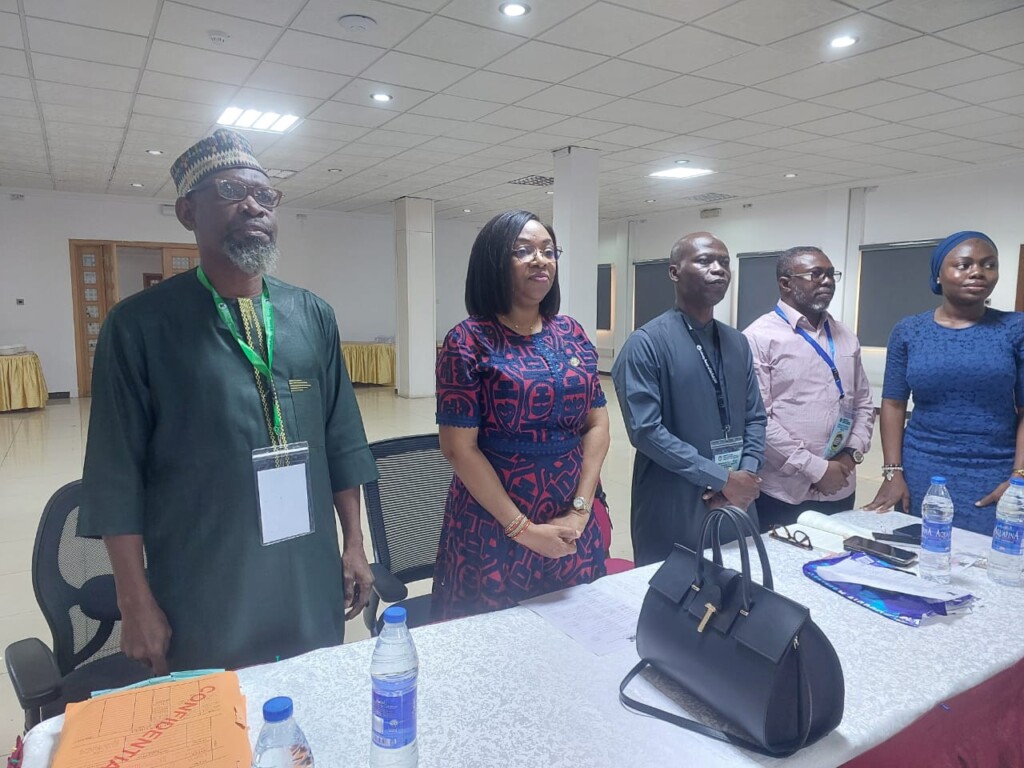
Addressing participants, Permanent Secretary of the Ministry, Dayo Lajide, stressed that surveillance is only effective when information leads to swift decision-making.
“This programme is about capacity building that ultimately results in better health outcomes for residents,” she said. “We must move beyond collecting data to ensuring that it drives rapid and coordinated response.”
Lajide noted that in an increasingly complex global health environment—marked by emerging infectious diseases and climate-linked health risks—the ability to act quickly on surveillance data is critical.
Strengthening first responders in outbreak detection
She described DSNOs as the backbone of the state’s early warning system.
“You are truly the first point of alert in our system,” she told participants, urging strict adherence to reporting protocols to ensure that potential outbreaks are escalated without delay.
Public health experts warn that even minor lapses in surveillance reporting can allow diseases to spread undetected, escalating into full-blown outbreaks.
Tackling misinformation and public panic
Beyond detection, the training also addressed another growing challenge—poor risk communication.
Lajide cautioned that inaccurate or poorly managed information can trigger unnecessary panic, especially during outbreaks such as COVID-19.
“We may be doing a lot of work, but without proper dissemination of information, the public remains uninformed,” she said, highlighting the need for trained communication officers to manage public messaging effectively.
Modernising surveillance systems
In his welcome address, Director of Epidemiology, Biosecurity and Global Health, Ismail Abdus-Salam, said the initiative is designed to solve long-standing inefficiencies in surveillance practice.
He explained that Lagos is transitioning from paper-based systems to electronic reporting, improving the speed and accuracy of data transmission to policymakers.
“The essence of this programme is to ensure that we translate data into action,” he said. “It is also about learning from one another and strengthening coordination across the system.”
Practical training for real-world scenarios
Unlike traditional classroom-based sessions, the training adopted a case-based model, allowing participants to work through real-life outbreak scenarios.
State Disease Surveillance and Notification Officer, Lakunle Openiyi, said the approach was intentional.
“The goal is to ensure that surveillance data is effectively utilised to guide timely and evidence-based public health decisions,” he said.
Participants described the model as impactful.
Ibeju-Lekki DSNO, Samson Omotesho, said the hands-on sessions improved his understanding of outbreak detection and response, while Somolu DSNO, Adebukola Adeniji, noted better clarity in data analysis and reporting accuracy.
Both called for similar trainings to be extended to local government and facility levels to strengthen grassroots surveillance.
Building a resilient health system
Stakeholders at the programme emphasised that effective disease surveillance requires collaboration across multiple sectors, including laboratories, emergency operations centres, academic institutions, and development partners.
Lajide acknowledged these partnerships as critical to building a resilient and responsive health system.
Preventing the next outbreak
In her closing remarks, Surveillance and Disease Control Programme Officer at the Lagos State Primary Health Care Board, Modinat Akiolu, underscored the stakes.
“Surveillance is the eyes and hands of the health system,” she said. “Imagine missing the detection of an outbreak in your community and the number of lives that could be affected.”
She urged participants to apply the knowledge gained, noting that surveillance goes beyond data collection to include leadership, problem-solving, and service delivery.
A proactive approach to public health
As Lagos continues to expand its surveillance capacity, officials say the focus is shifting from reactive responses to proactive prevention.
By strengthening the skills of frontline officers and improving how data is used, the state aims to detect outbreaks earlier, respond faster, and ultimately save lives.
The programme, officials say, reinforces Lagos’ position as a leader in disease surveillance and public health response in Nigeria.