By Juliet Umeh
The Global Alliance for Incinerator Alternatives, in partnership with the Break Free From Plastic, has said community-led zero waste initiatives across East Africa are proving effective in tackling climate change, reducing plastic pollution and improving livelihoods.
The projects, supported by the Plastics Solution Fund, were implemented in Uganda, Ethiopia and the Democratic Republic of Congo, demonstrating that sustainable waste management systems can significantly cut methane emissions while creating economic opportunities.
According to GAIA, in Uganda, End Plastic Pollution deployed a zero waste model in Masulita Town, Wakiso District, leading to a 30 per cent increase in waste recovery and diverting large volumes of waste from dumpsites, thereby preventing methane emissions.
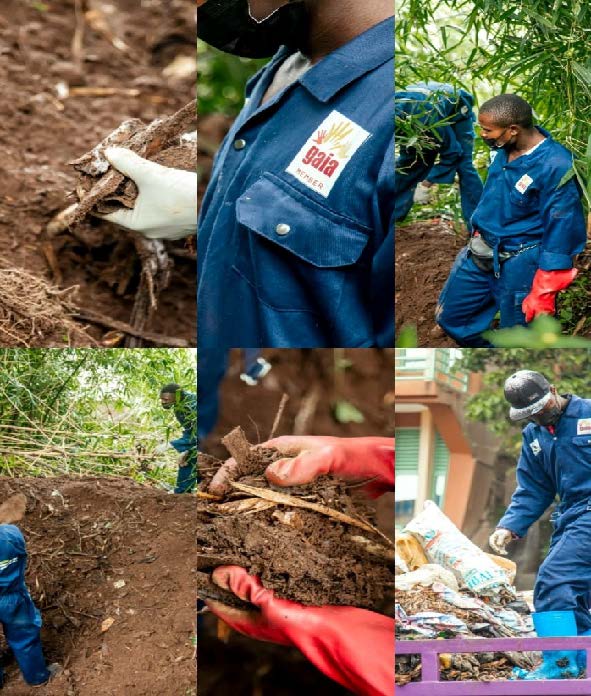
In Ethiopia, Eco-justice Ethiopia advanced zero waste strategies in Woreda 09, Yeka Sub City, by supporting compost production and integrating waste pickers into formal systems. The organisation also influenced national plastic policy and promoted alternatives to incineration.
Similarly, in the Democratic Republic of Congo, Solidarité pour la Protection des Droits de l’Enfant, through the Bukavu Zero Waste City initiative, reached over 100,000 people, collected 480 tonnes of waste, and supported farmers with compost and other organic resources.
Citing global data, GAIA noted that the waste sector is the third-largest source of methane emissions, a greenhouse gas significantly more potent than carbon dioxide. It added that reforms such as composting and waste segregation could reduce methane emissions from waste by up to 95 per cent.
Speaking during a webinar on Zero Waste Stories from Africa, Eskadar Awgichew of Eco-justice Ethiopia said: “A decentralised zero waste approach can transform waste systems by diverting organic and plastic waste, integrating waste pickers and replacing unsustainable models.”
Patricia Namwanga of End Plastic Pollution added that zero waste systems “unlock opportunities across the value chain, making waste a resource while empowering communities and engaging government.”
Also, Robert Kitumaini of SOPRODE said converting organic waste into compost has helped mitigate emissions, improve food security and create green jobs.
GAIA noted that beyond environmental benefits, the initiatives are strengthening local economies, improving public health and offering scalable models for cities across Africa.