…Targets 5 million free spectacles, 25,000 cataract surgeries by 2027
By Kingsley Samuel
To tackle the growing burden of avoidable blindness and poor vision in Nigeria, the Federal Government has unveiled plans to provide five million free pairs of spectacles and perform 25,000 free cataract surgeries before the end of 2027.
The intervention, under the Effective Spectacle Coverage Initiative Nigeria, Jigi-Bola 2.0, and the Renewed Hope Health Connect programme, is aimed at expanding access to quality eye care, especially for vulnerable and underserved communities.
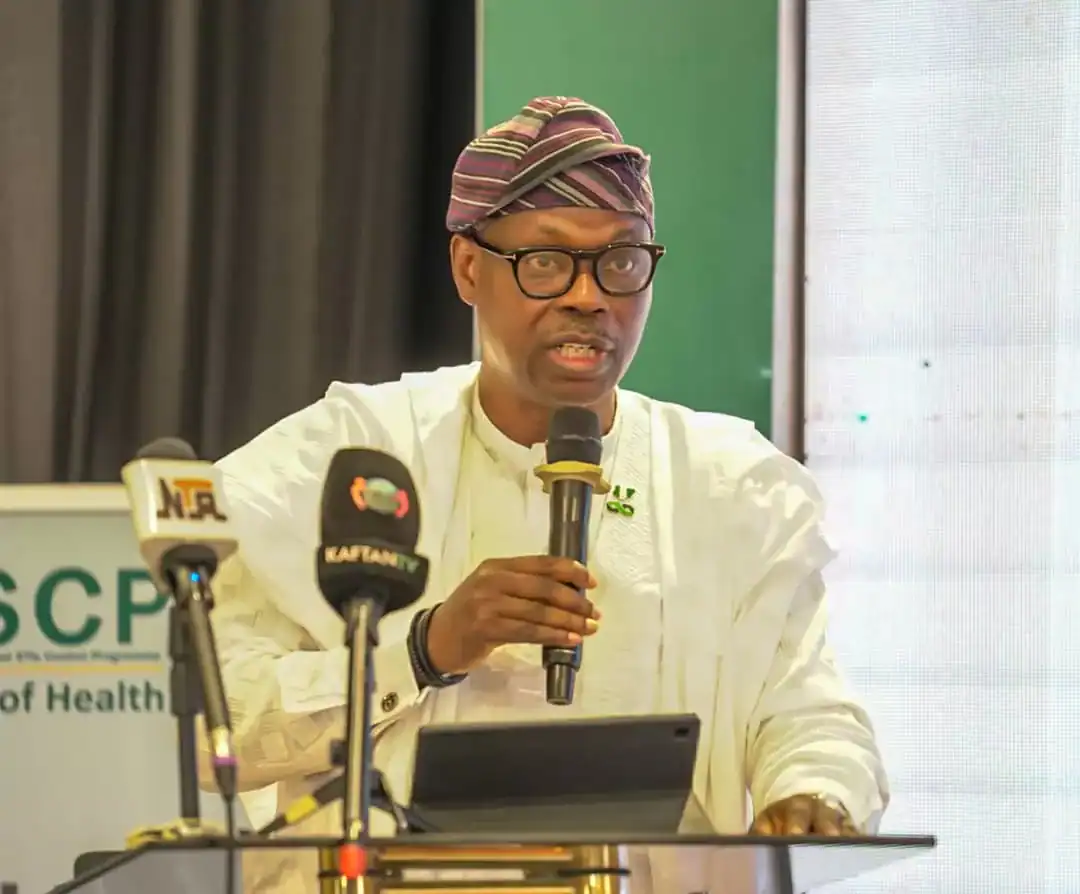
Minister of State for Health and Social Welfare, Dr. Iziaq Adekunle Salako, announced the initiative on Friday while declaring open the 49th Annual National Scientific Conference of the Nigerian Optometric Association (NOA) and the African Council of Optometry (AFCO) Annual General Meeting in Abuja.
Salako said millions of Nigerians continue to live with preventable visual impairment, a challenge that affects education, productivity, independence and overall quality of life.
According to him, the government’s response is to take eye care services directly to communities through Jigi-Bola 2.0, a mobile eye care programme that has already screened nearly two million Nigerians and provided more than 1.3 million people with free reading glasses.
He disclosed that about 66 per cent of beneficiaries received spectacles for the first time, describing the programme as a major step towards reducing the country’s eye health burden.
“The Jigi-Bola 2.0 programme is an iconic mobile eye care initiative that reflects Mr. President’s commitment to reducing avoidable blindness by bringing services closer to vulnerable populations,” he said.
Salako explained that the initiative aligns with the National Eye Health Strategic Development Plan (2024–2028), which seeks to strengthen eye care services across primary, secondary and tertiary healthcare facilities.
He added that the ministry had introduced the Nigeria Glaucoma Guidelines and Toolkit to improve the early diagnosis, treatment and referral of glaucoma cases nationwide.
To support implementation, ophthalmologists from the 36 states and the Federal Capital Territory have been trained to cascade the guidelines, while over 2,220 primary healthcare workers in 16 states have been equipped to conduct vision screening and refer patients requiring specialised care.
The minister commended optometrists for their contributions to community eye health, describing them as critical partners in the government’s efforts to reduce avoidable blindness.
He reaffirmed the Federal Government’s commitment to working with the Nigerian Optometric Association and other stakeholders to expand access to quality vision care and achieve universal eye health coverage under the Renewed Hope Agenda.